April 8, 2026
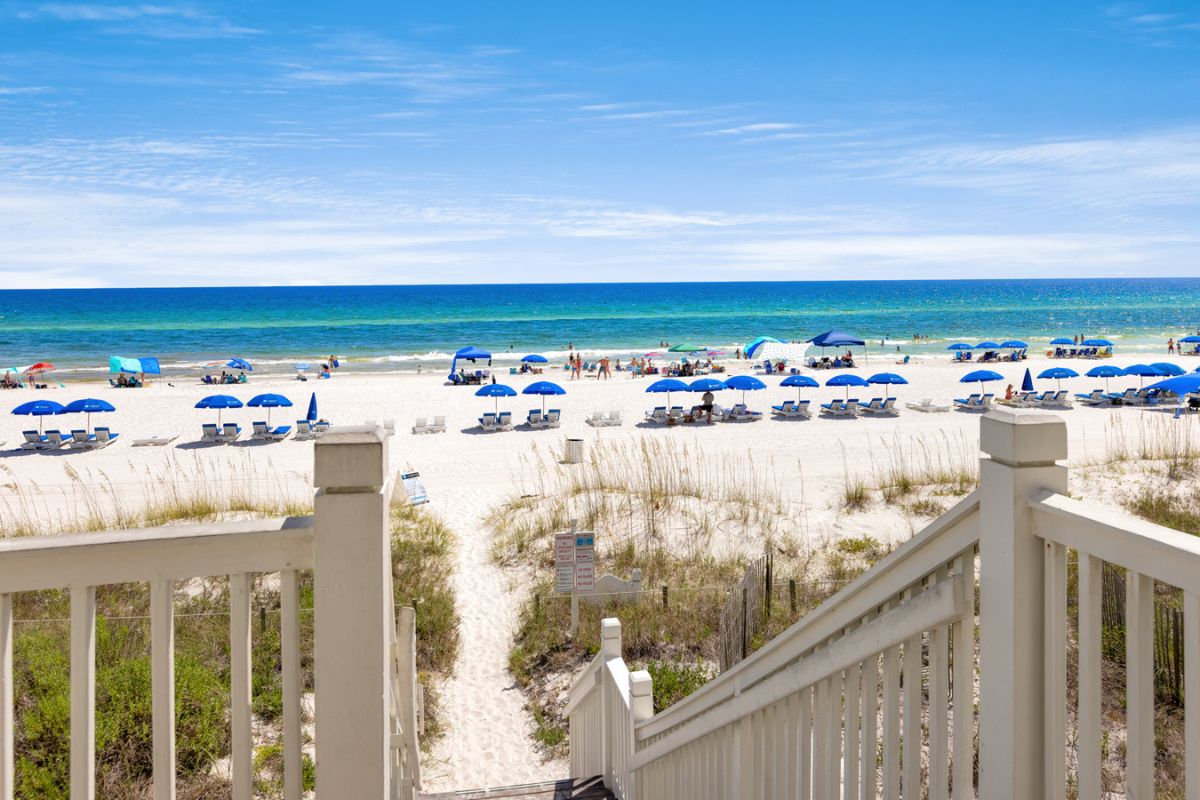
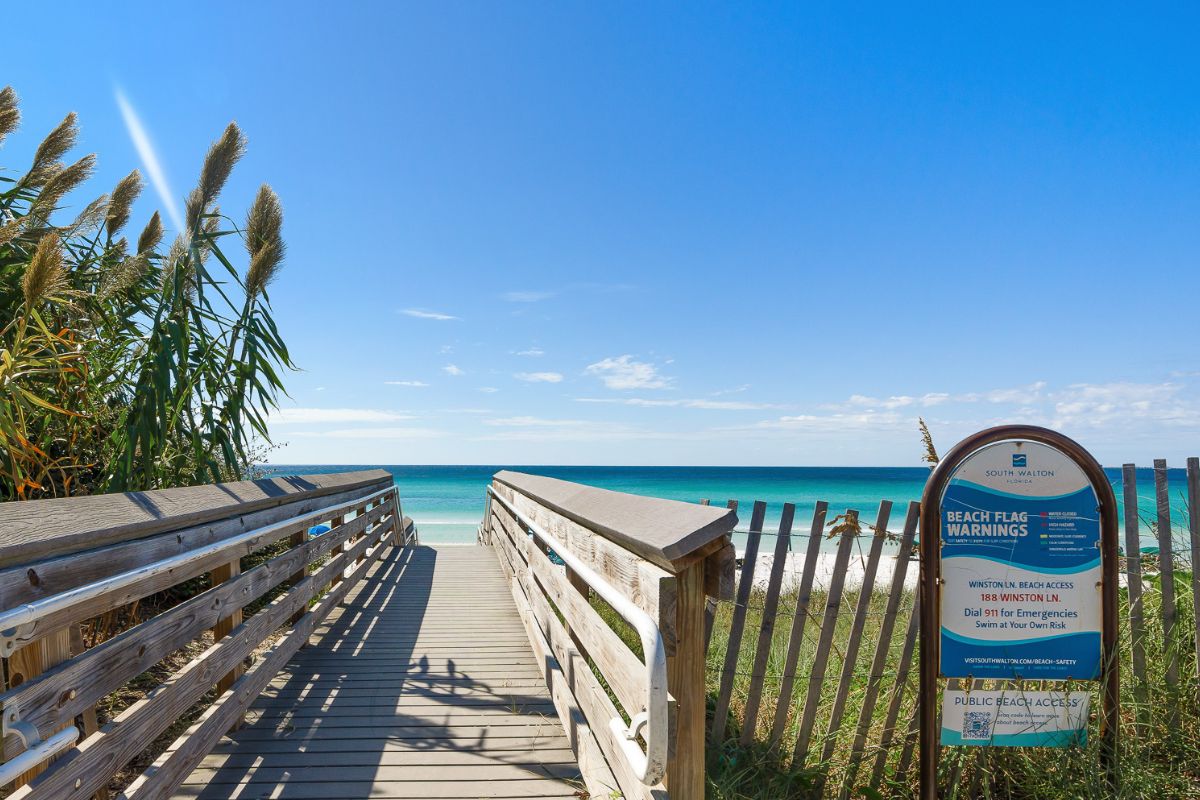
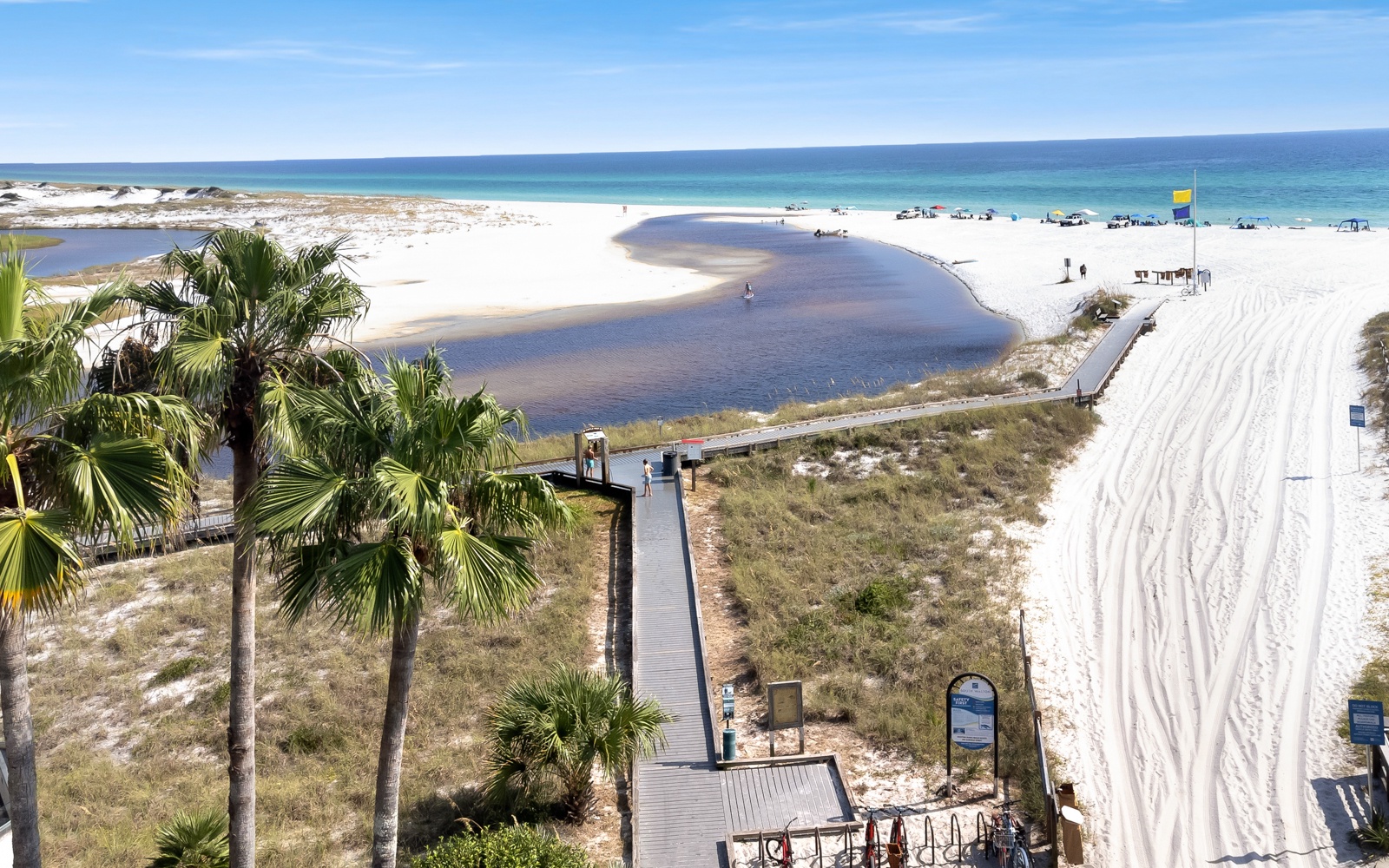
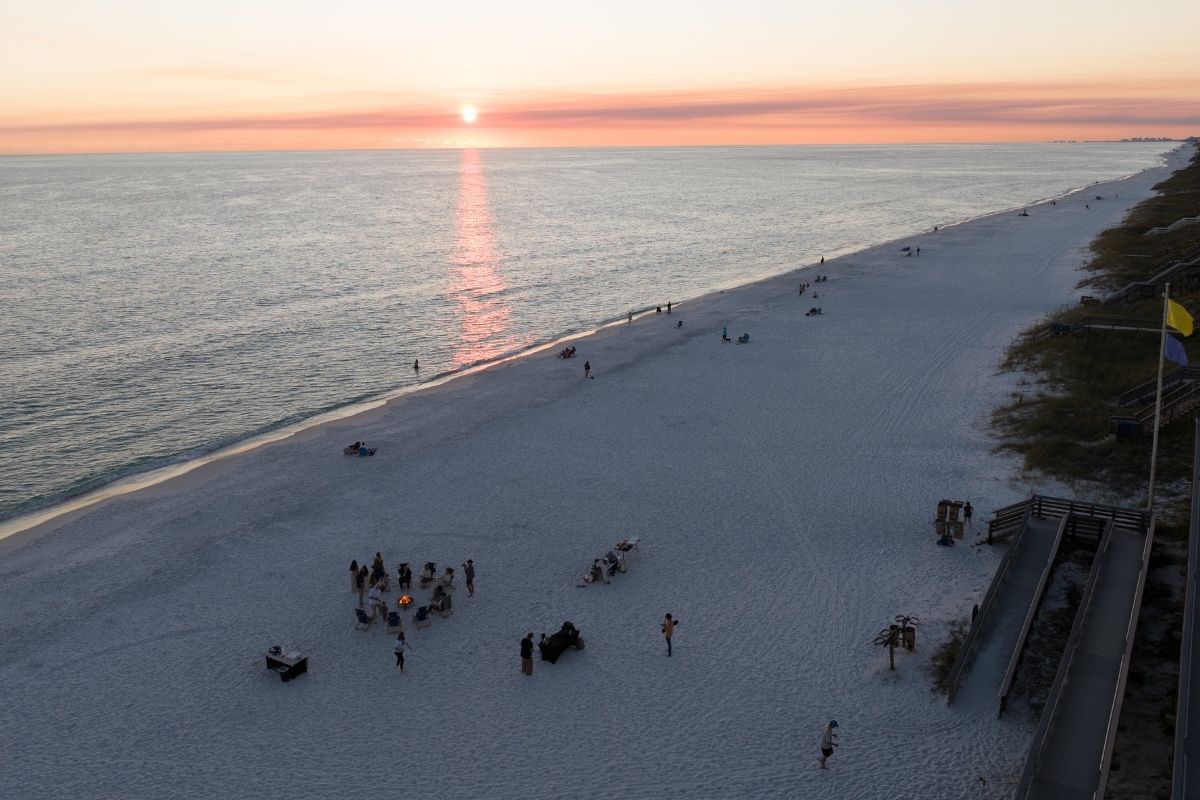
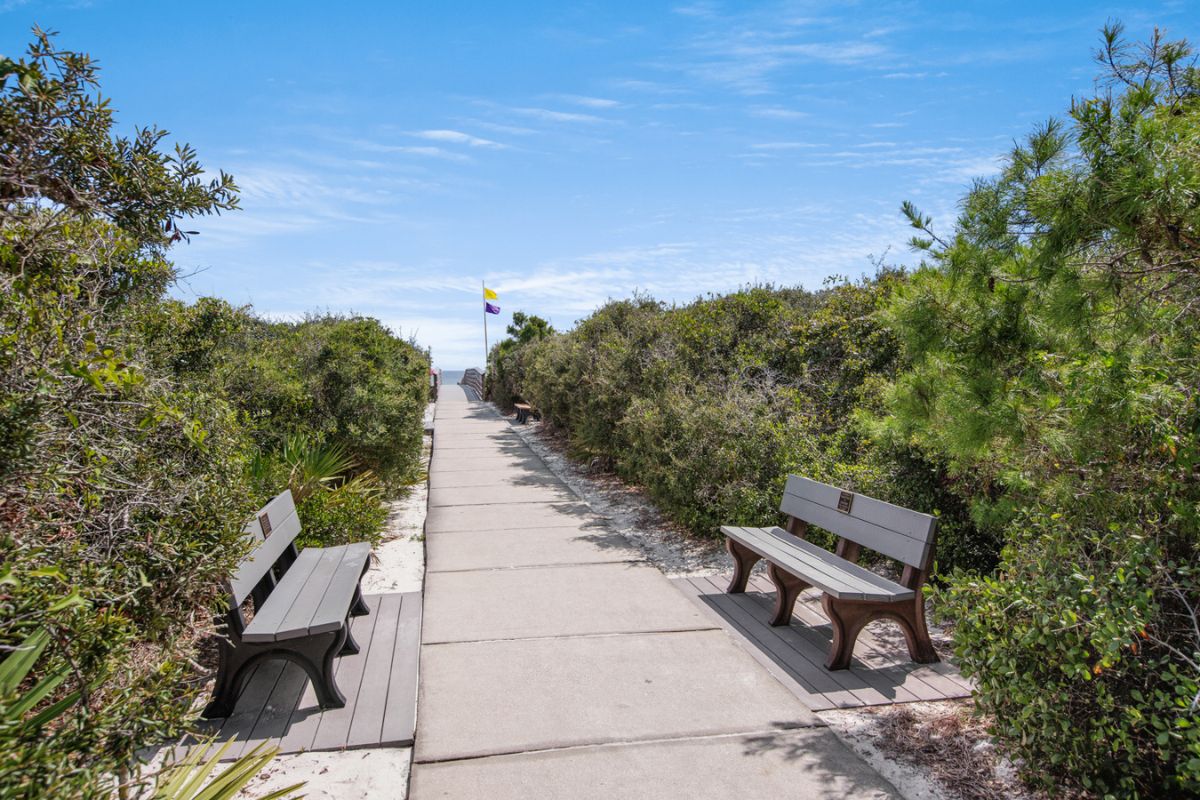
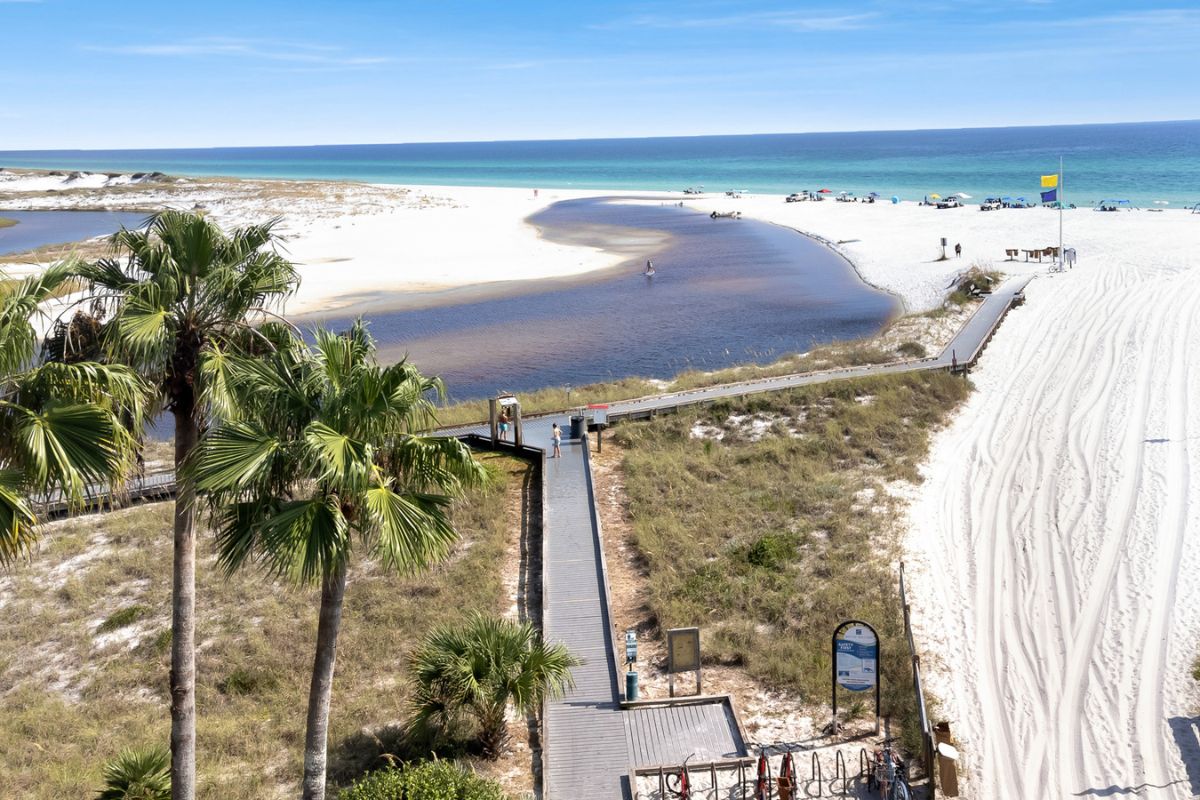
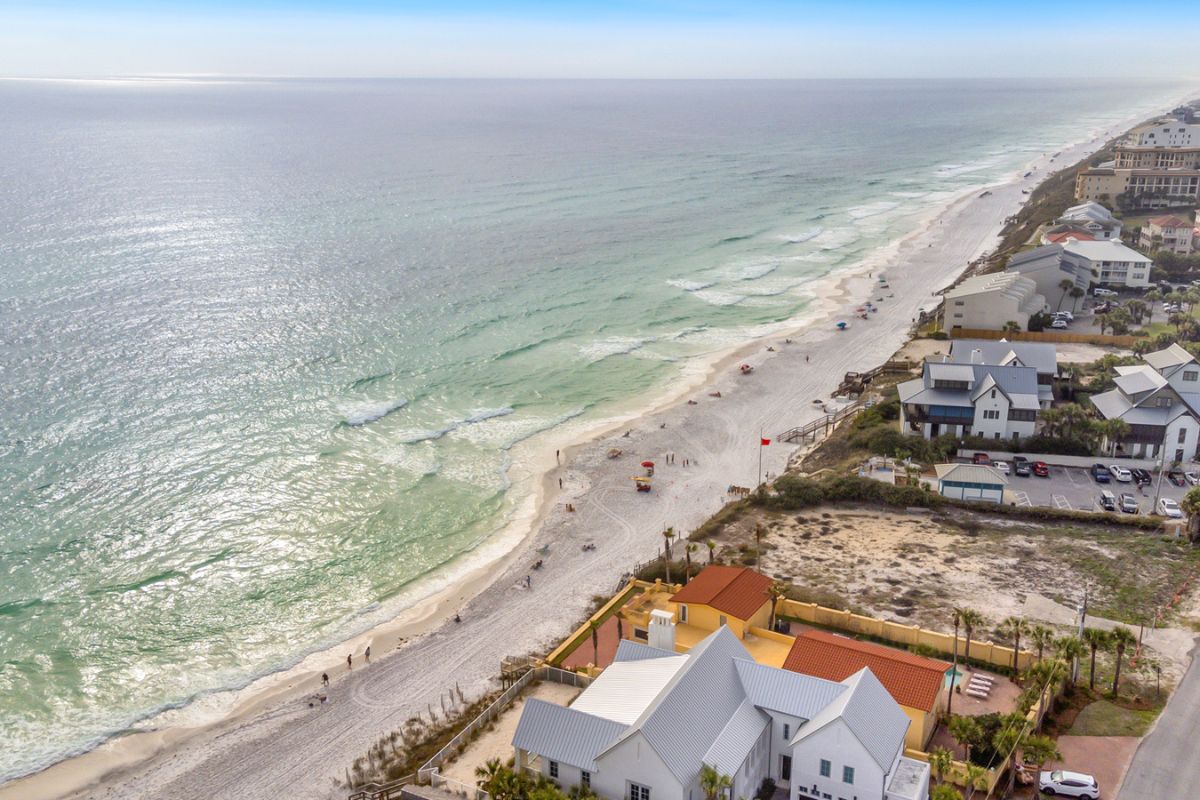
If you’ve ever walked onto a 30A beach and noticed a colored flag flying near the entrance, you might have wondered what it actually means.
It’s easy to assume it’s just a general warning — but these flags are one of the most important things to understand before stepping into the water.
On 30A, beach flags change daily based on Gulf conditions. And while the water might look calm, the flag is what tells you what’s really going on beneath the surface.
Here’s what each one means — and how to use them to keep your beach days safe and stress-free.
Green Flag — Low Hazard
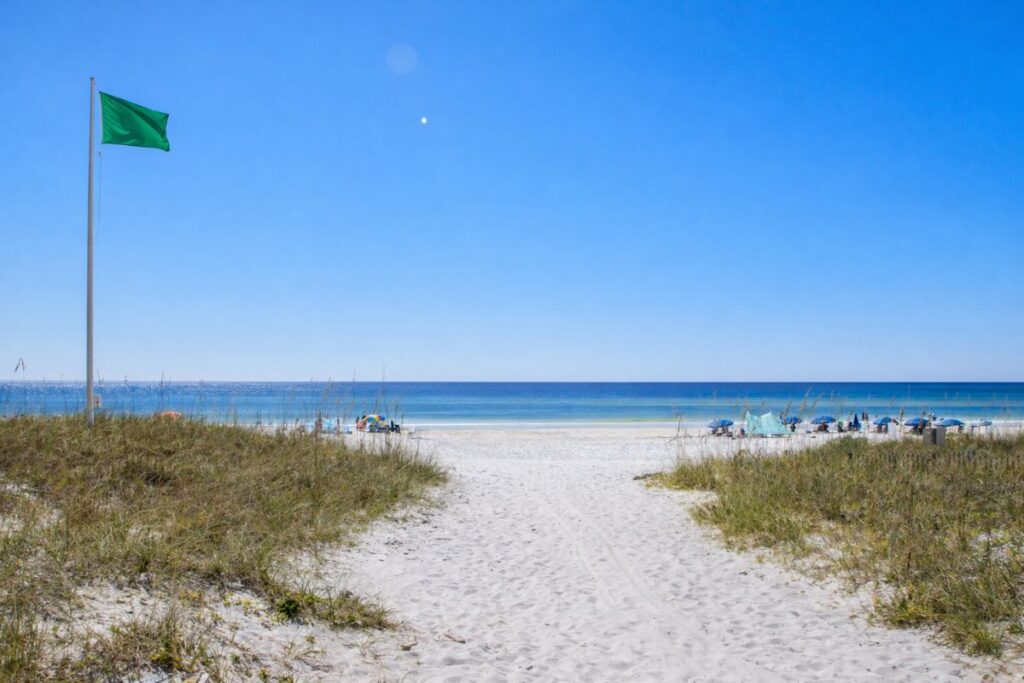
A green flag is what everyone hopes to see.
It means the water conditions are calm, with minimal risk. The Gulf is usually gentle, waves are small, and it’s generally a great day for swimming.
That said, “low hazard” doesn’t mean “no hazard.”
You’ll still want to keep an eye on kids, stay aware of your surroundings, and avoid going too far out if you’re not a strong swimmer.
Think of it as:
a relaxed, easy beach day.
Yellow Flag — Medium Hazard
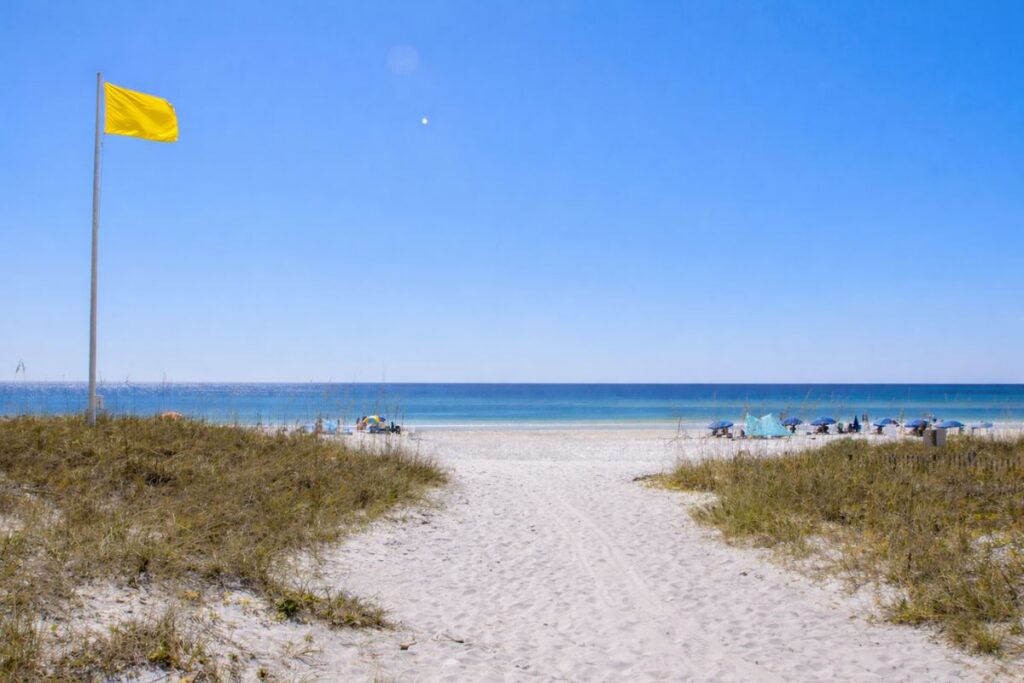
Yellow flags are actually the most common on 30A.
At first glance, the water might look completely fine — and that’s where people get caught off guard.
A yellow flag means:
- moderate waves
- possible currents
- conditions that require extra caution
You can still get in the water, but it’s best to:
- stay closer to shore
- avoid going too deep
- keep a close eye on children
This is the kind of day where the beach is still enjoyable — you just need to be more aware.
Red Flag — High Hazard
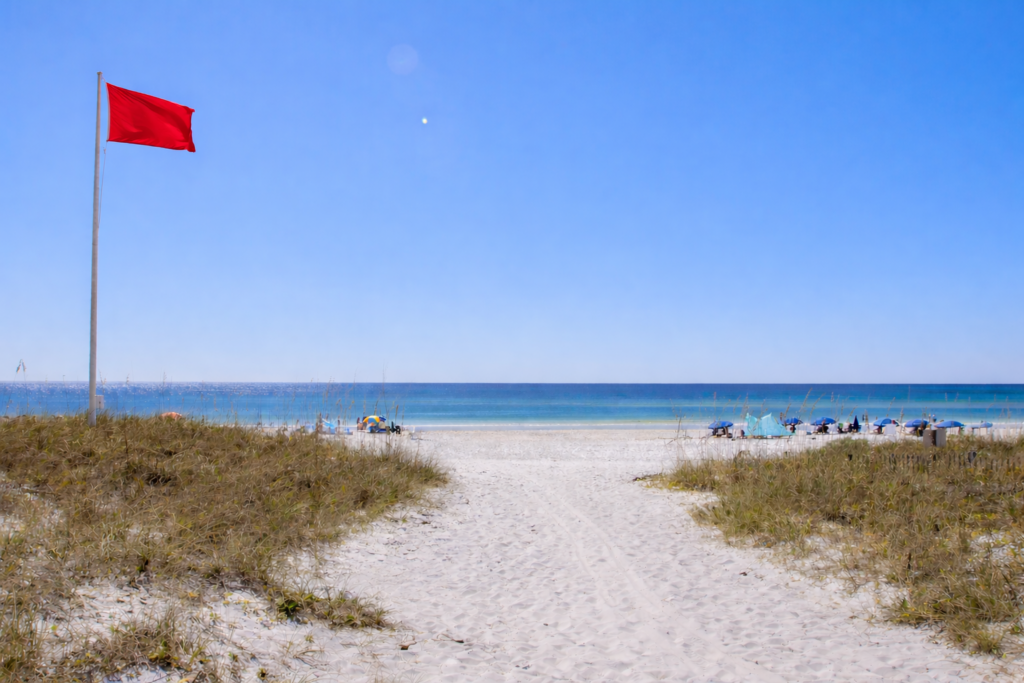
When you see a red flag, it’s time to pause and reassess.
This means:
- strong surf
- dangerous currents (especially rip currents)
- higher risk, even in shallow water
Even experienced swimmers can struggle in these conditions.
There’s a local saying on 30A:
“Knee-deep is too deep.”
That’s because rip currents can form quickly and pull you away from shore before you realize what’s happening.
On red flag days, many visitors choose to stay out of the water entirely — and that’s often the safest decision.
Double Red Flag — Water Closed
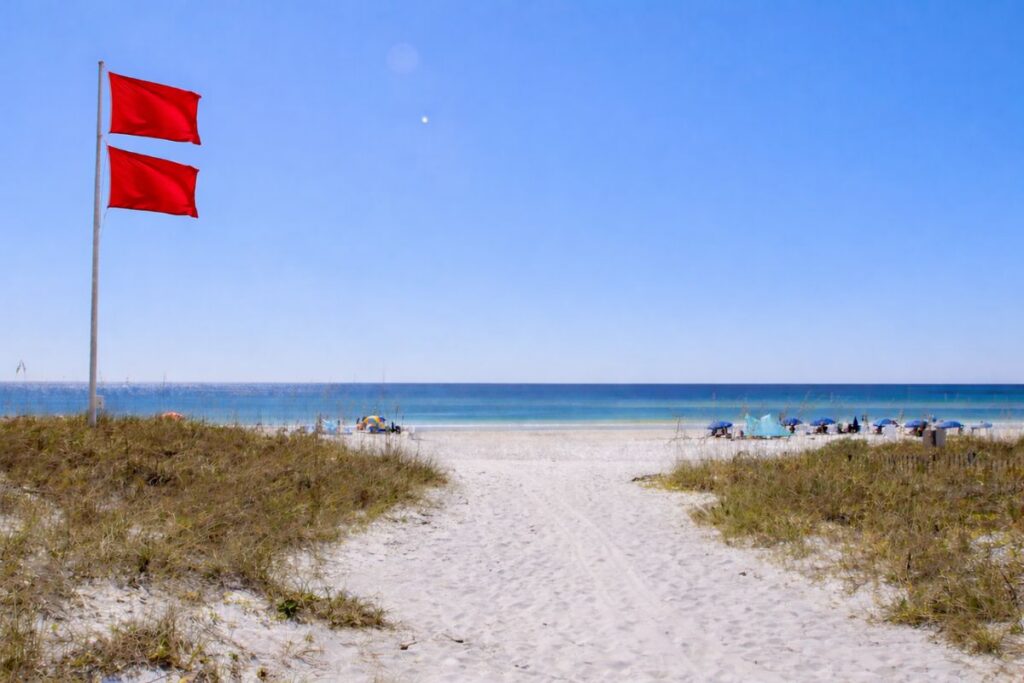
This is the one you never want to ignore.
A double red flag means the water is officially closed due to dangerous conditions.
- No swimming allowed
- Entering the water is illegal
- Fines can be issued
Even if the Gulf looks calm from a distance, conditions underneath can be extremely dangerous.
This isn’t a suggestion — it’s a rule.
On these days, the beach is still beautiful, but it’s best enjoyed from the sand.
Purple Flag — Marine Life Present
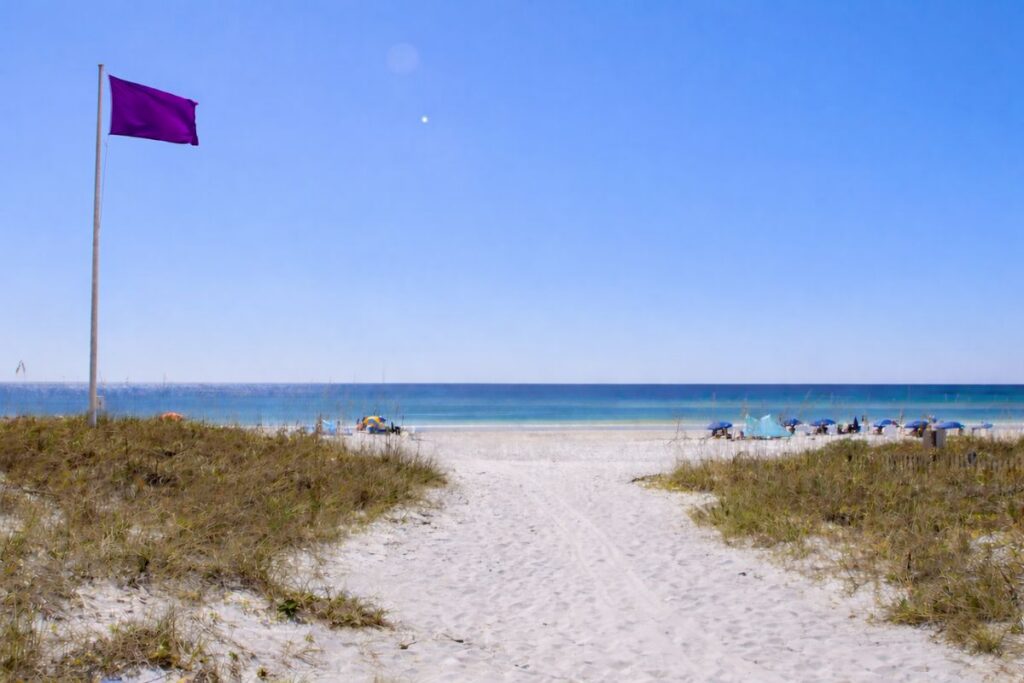
A purple flag doesn’t relate to waves or currents — it’s a warning about what’s in the water.
This can include:
- jellyfish
- stingrays
- other marine life
You’ll often see this flag flying alongside another one (like yellow or red).
The water might be calm, but there’s still a chance of getting stung or bumped into something unexpected.
It doesn’t mean you have to avoid the water completely — just stay aware and move carefully.
Why These Flags Matter More Than You Think
The biggest mistake visitors make?
Judging the water by how it looks.
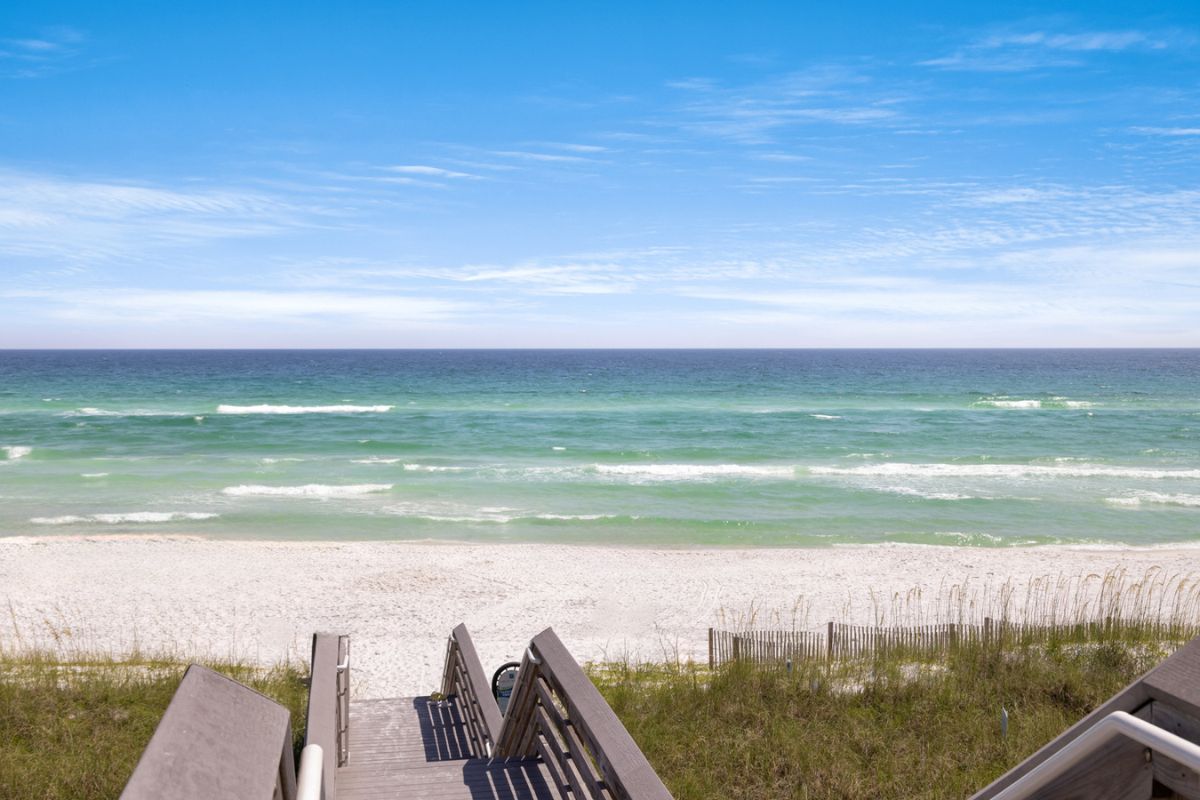
On 30A, some of the most dangerous conditions don’t look dramatic at all. The Gulf can appear calm while strong rip currents are moving just beneath the surface.
That’s why the flags are there — to give you information you can’t always see.
⚠️ A Quick Note on Rip Currents
If there’s one thing to take seriously, it’s this.
Rip currents are narrow channels of water that pull away from shore. They can:
- move quickly
- feel sudden
- affect even strong swimmers
If you ever get caught in one:
- don’t panic
- don’t try to swim straight back to shore
- swim parallel to the beach until you’re free
Simple Way to Remember
If you don’t want to memorize everything, just think:
- Green = go
- Yellow = slow down
- Red = think twice
- Double red = stay out
- Purple = watch what’s around you
Final Thoughts
A great beach day on 30A isn’t just about finding the perfect spot — it’s about understanding the conditions.
These flags are there to help you enjoy the water safely, not limit your experience.
Take a moment to check them when you arrive, and you’ll know exactly what kind of day it’s going to be.