January 26, 2026
What they are, why they matter, and where to see them.
WHY 30A’S GEOGRAPHY STANDS OUT
There’s something rare and magical about the landscapes along 30A. Even locals pause sometimes, wondering how so many vibrant ecosystems ended up sharing the same coastline.
And right at the center of this natural wonderland? Coastal dune lakes, a geological twist that only a handful of places on Earth get to brag about.
In this guide, we’re unpacking what they are, why they’re important, and where you can experience them up close.
WHAT ARE COASTAL DUNE LAKES?
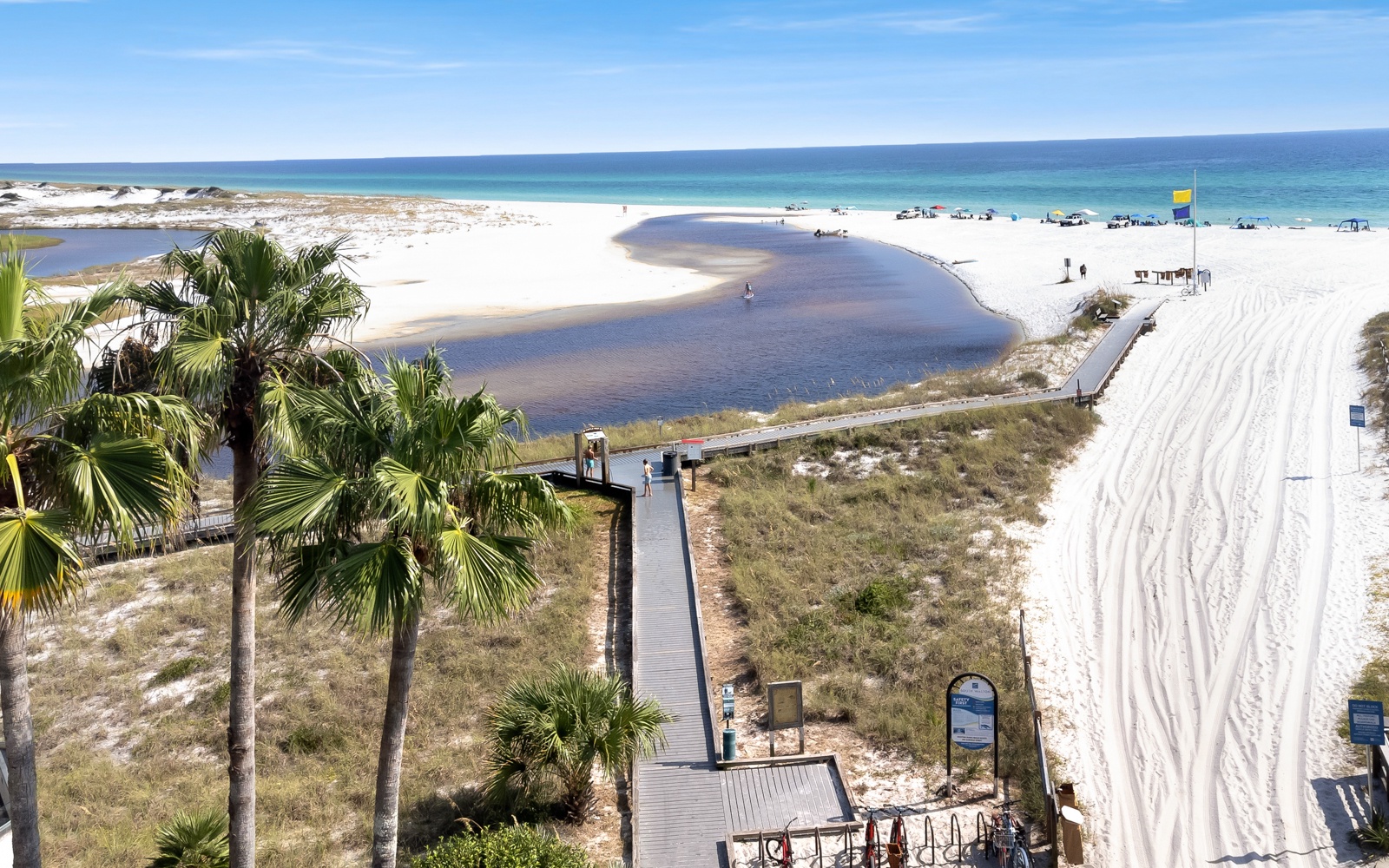
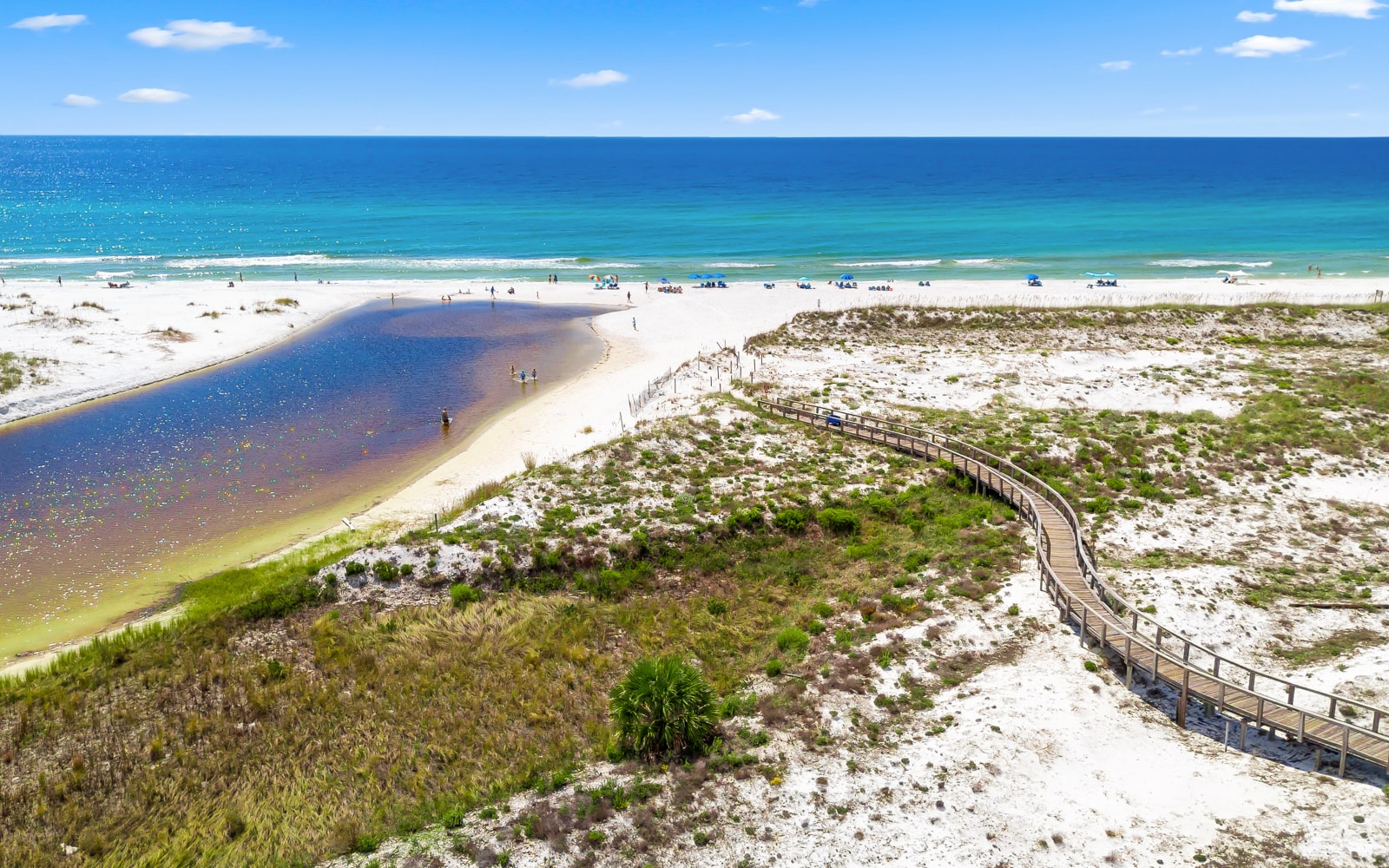
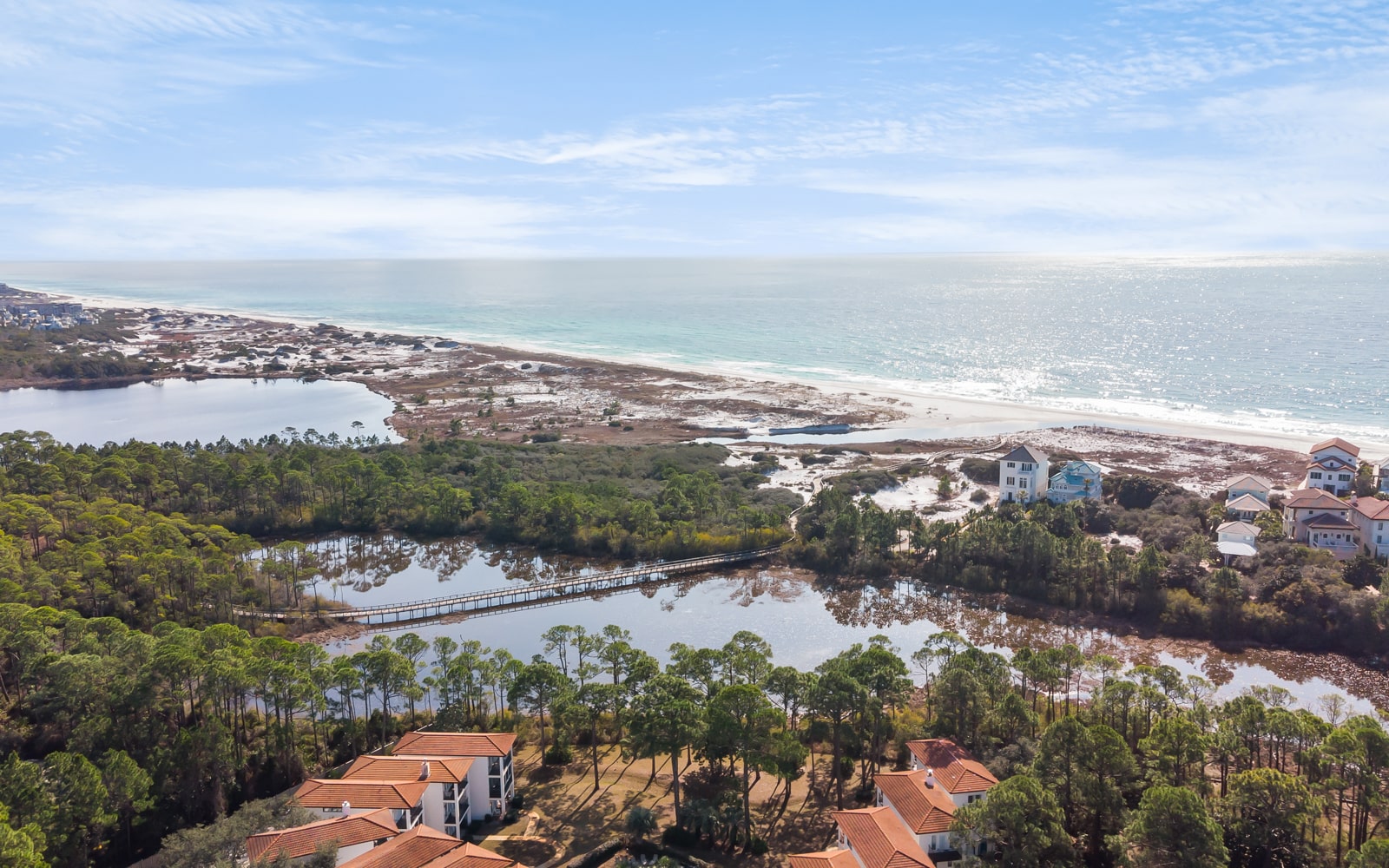
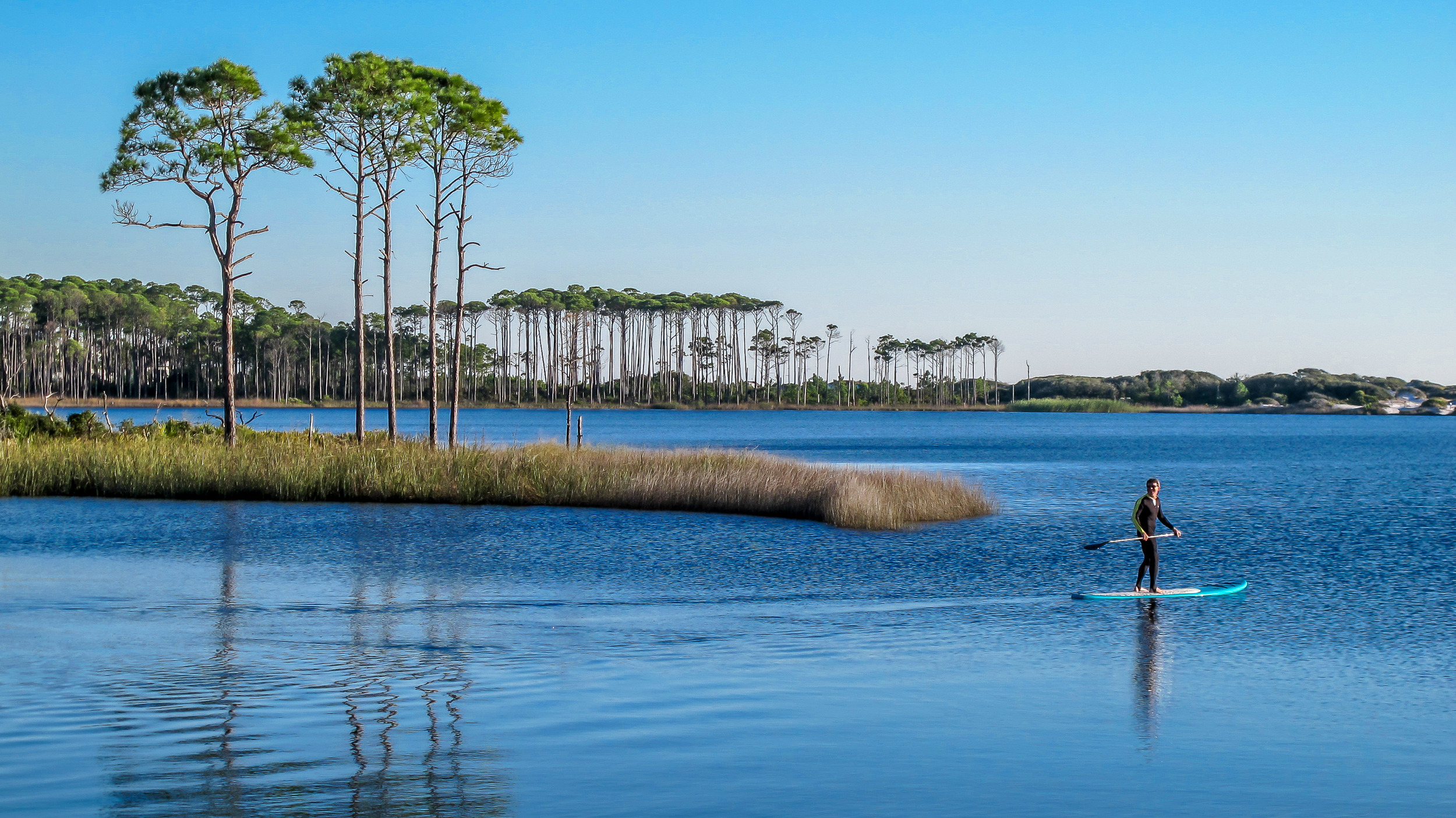
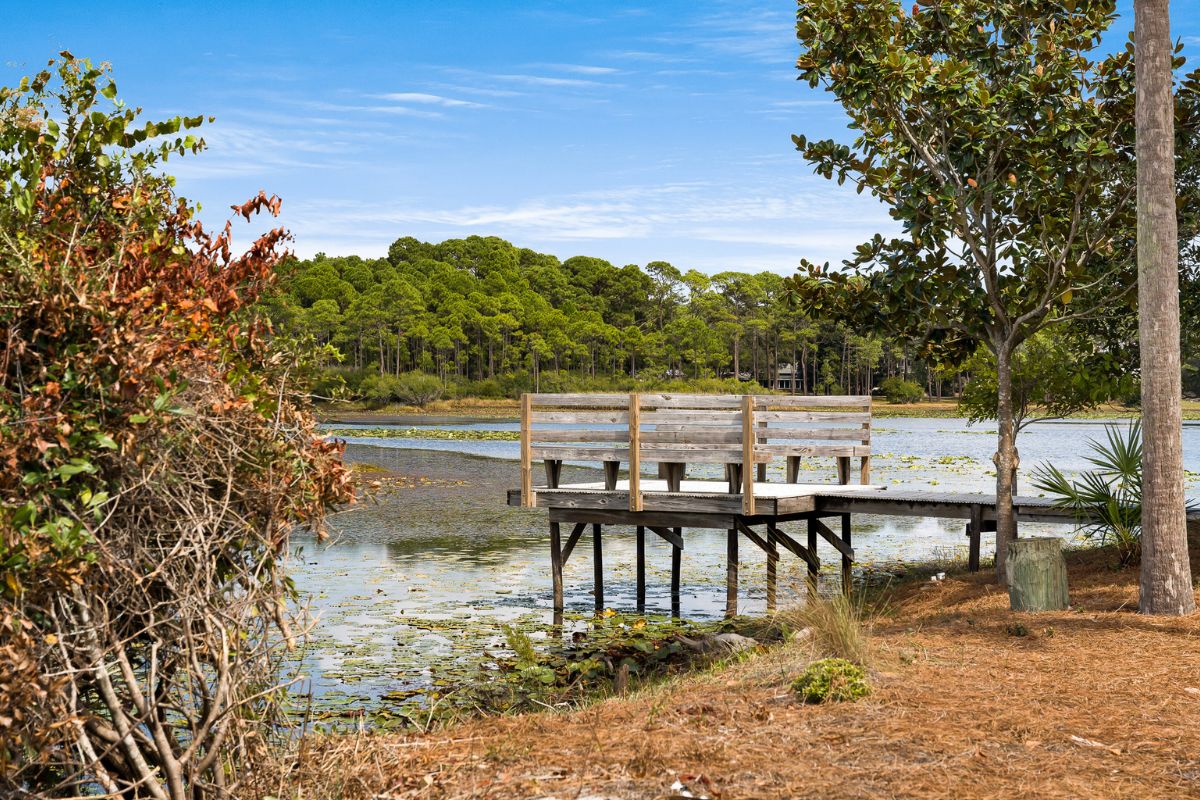
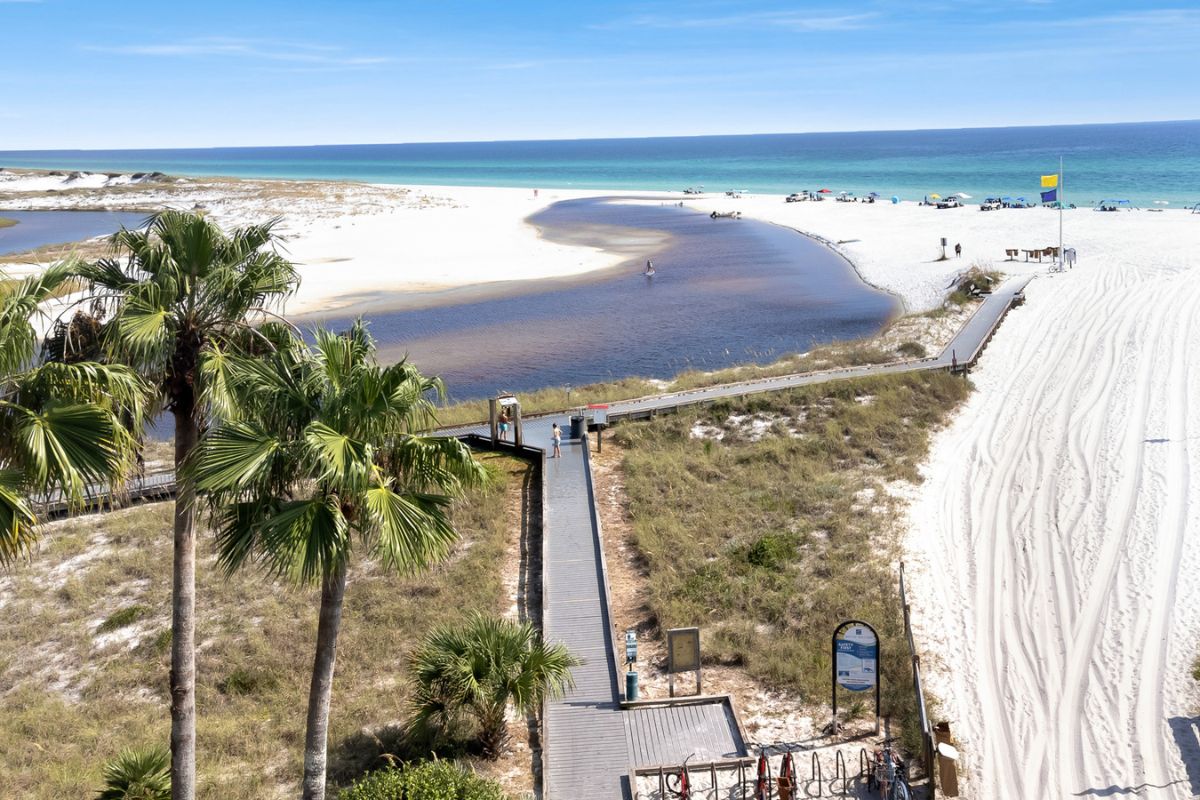
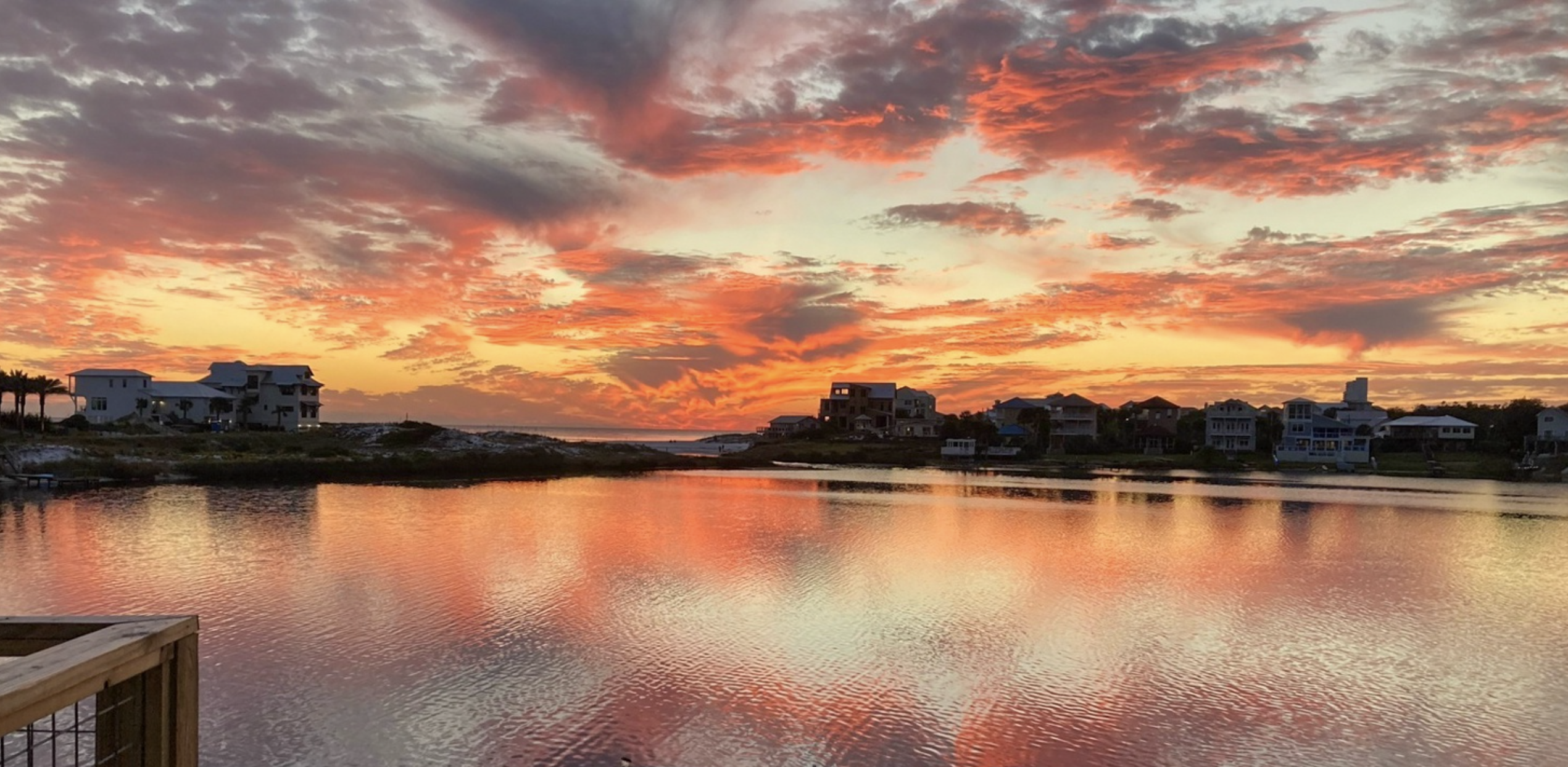
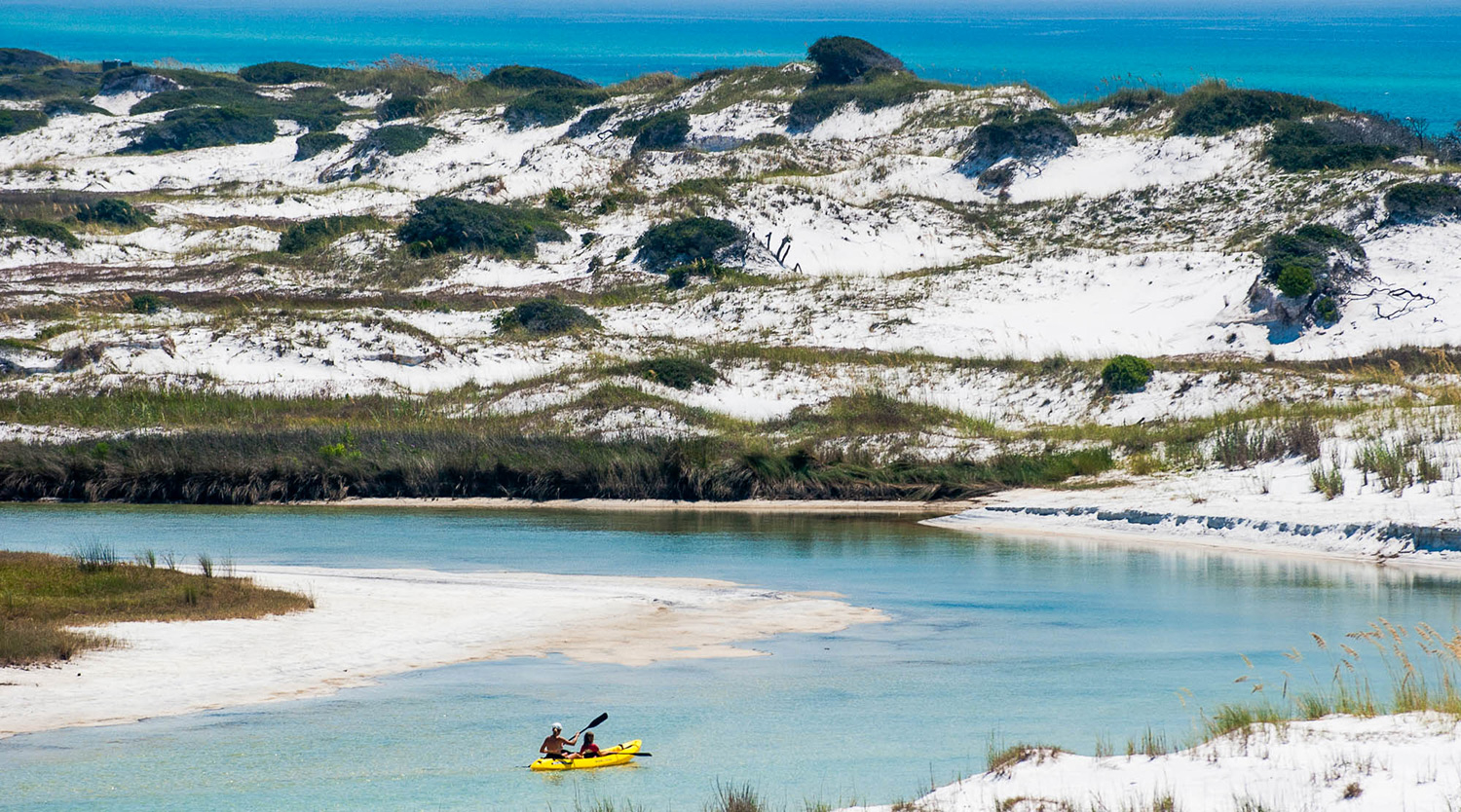
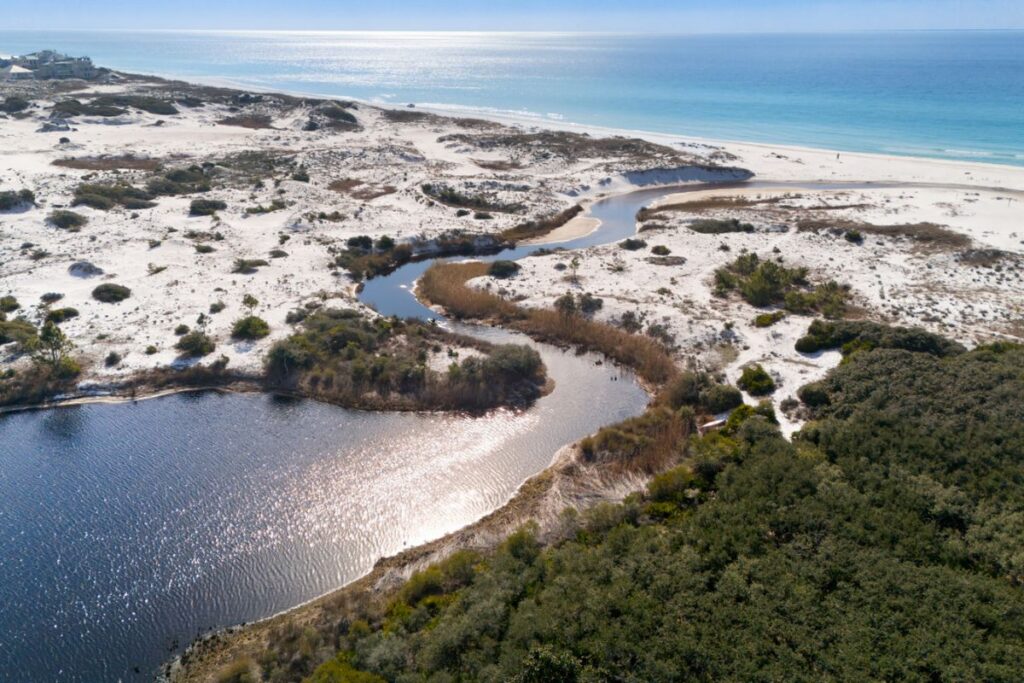
Picture a freshwater lake tucked just steps from the Gulf. They form through years of wind, shifting dunes, rising water, and the Gulf doing whatever the Gulf wants.
Fed mostly by rising rain and groundwater… a lake carves out a temporary “outfall,” letting freshwater and saltwater mingle, swirling together, occasionally connecting to the Gulf through temporary natural openings called outfalls.
Once levels drop, the sand closes the opening again. This new, delicate, ever-changing mix that supports unique plant and animal life? That’s a coastal dune lake.
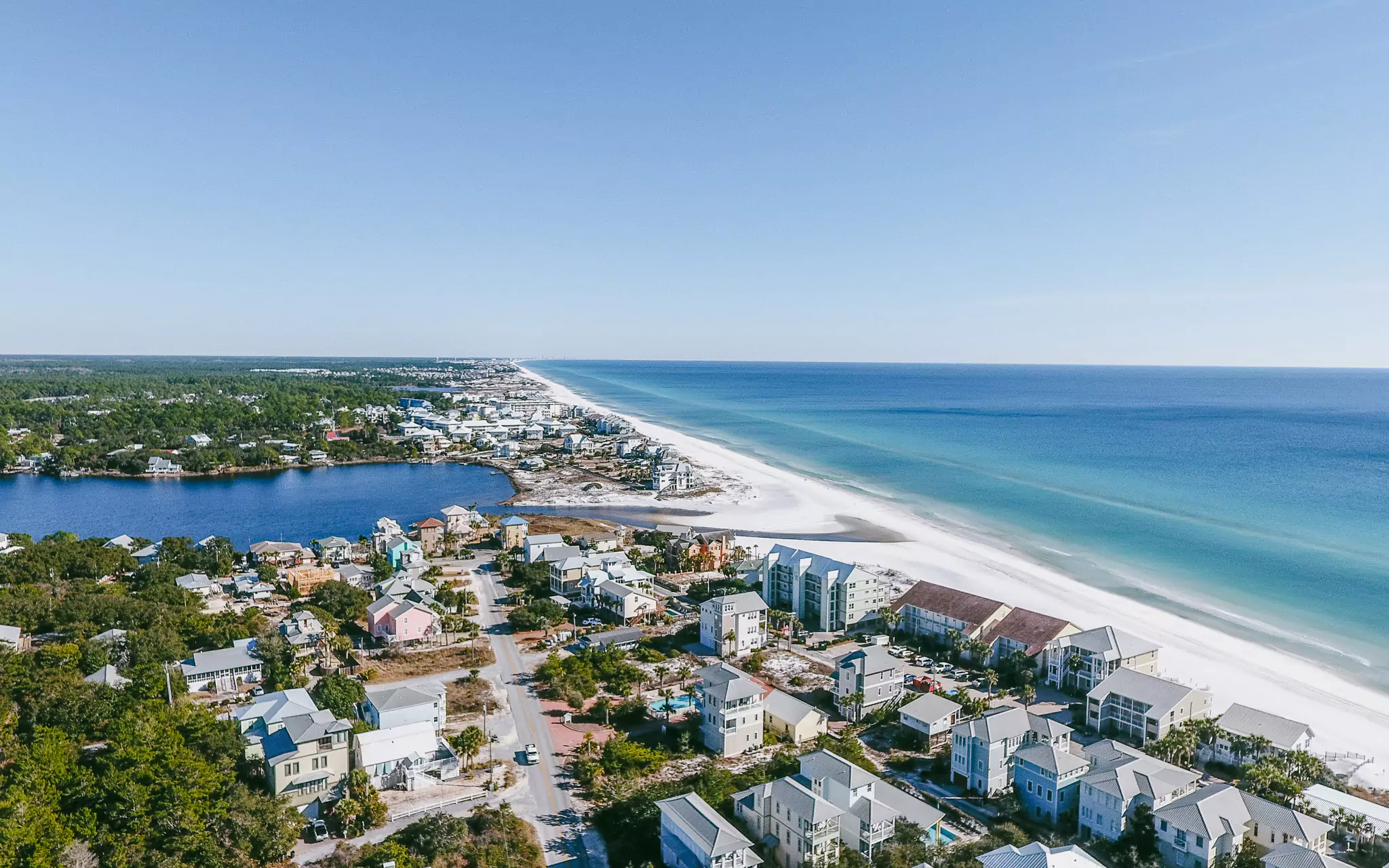
Only a handful of places in the world have these. New Zealand, Madagascar, Australia, and right here along 30A. Our stretch is home to roughly 15 of them, each with its own personality.
WHY THEY MATTER
These lakes aren’t just pretty to look at, they’re ecological powerhouses.
They provide habitat for rare and sensitive species, support migrating birds, and stabilize the local environment by holding and filtering water. Their natural outfalls help manage flooding, keep the water table healthy, and maintain the intricate balance of dune, lake, and Gulf.
Local organizations – like the Choctawhatchee Basin Alliance – work year-round to protect these systems through research, restoration, and community education.
Every preserved lake helps maintain the wild, peaceful character that makes 30A so special.
WHERE TO SEE COASTAL DUNE LAKES ON 30A
If you’re ready to explore, these lakes make it wonderfully easy:
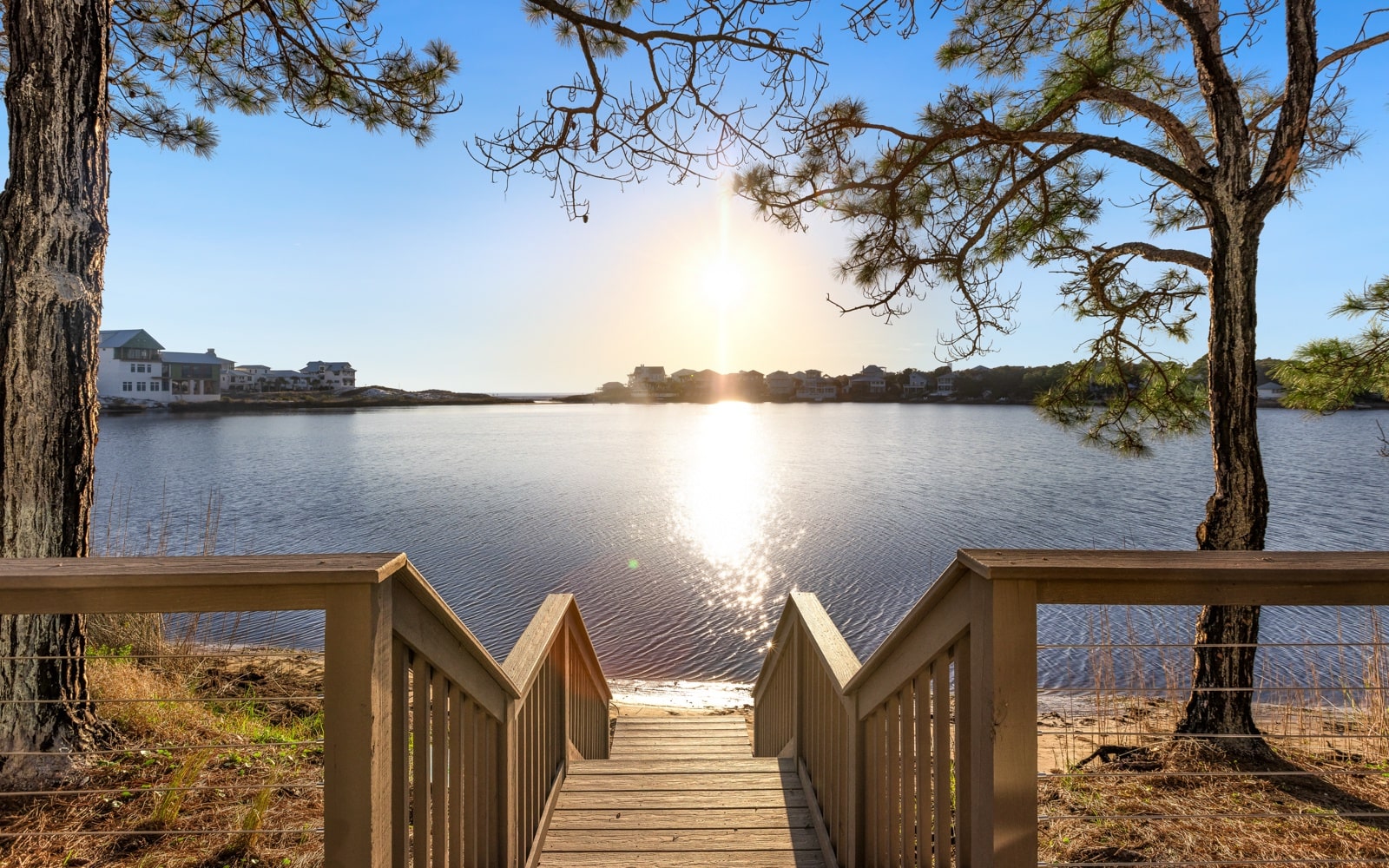
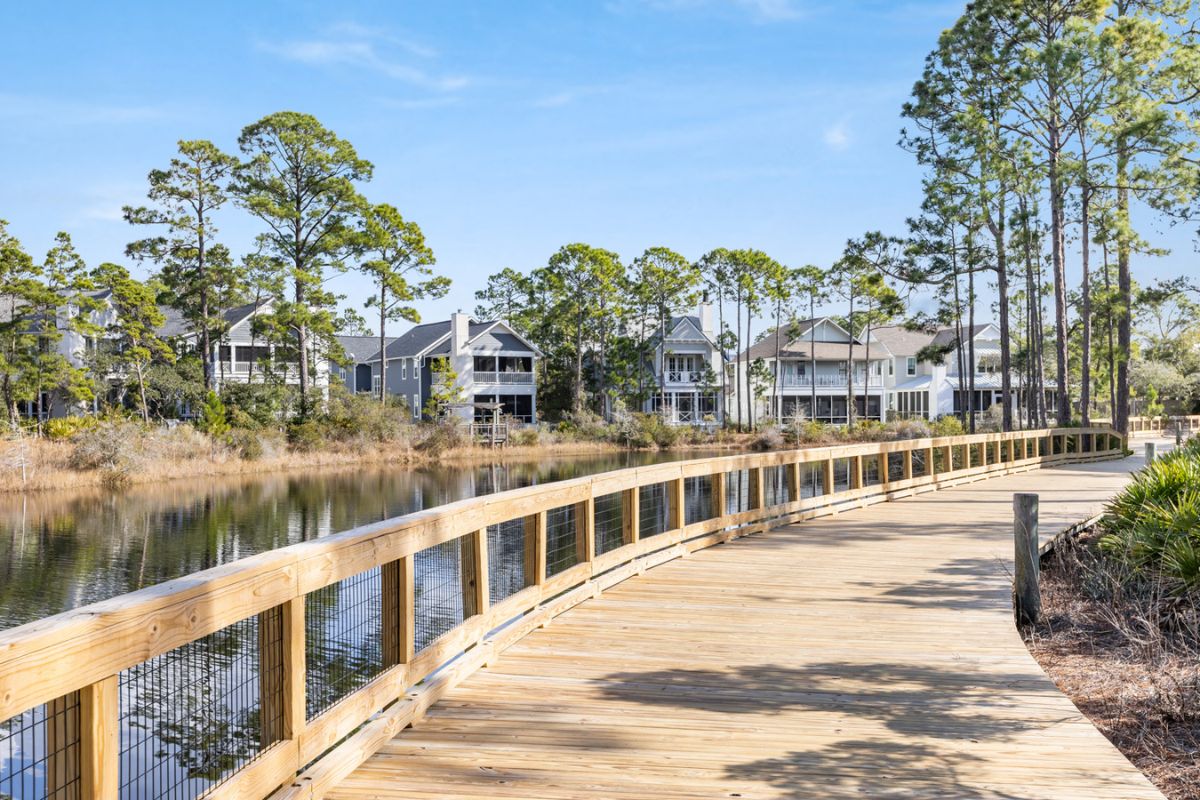
Western Lake – Grayton Beach State Park
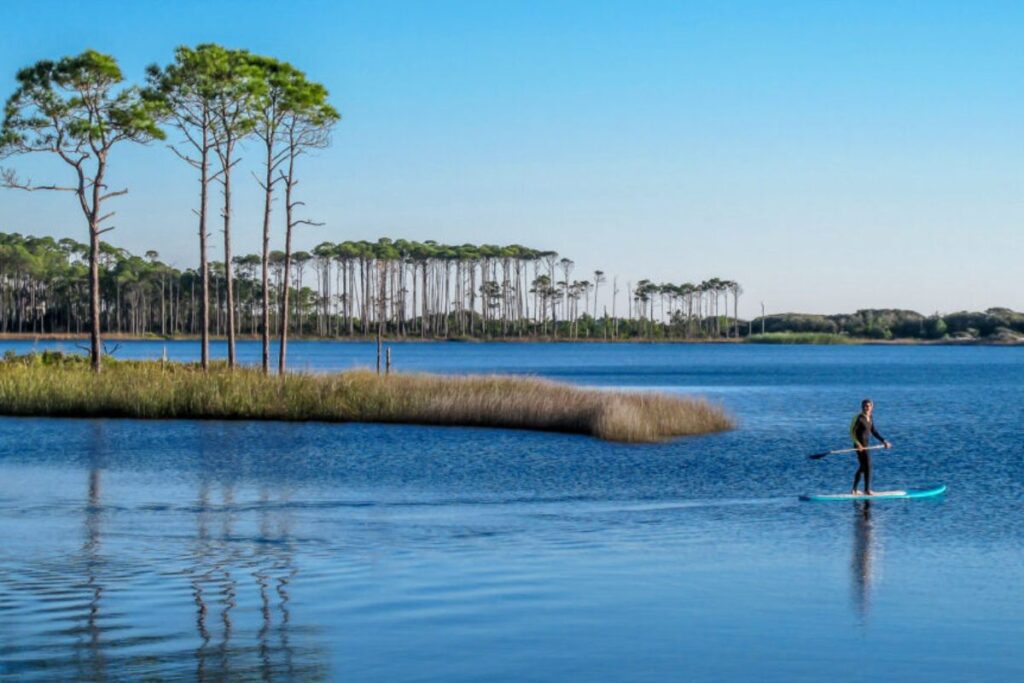
- The one you’ve probably seen on postcards.
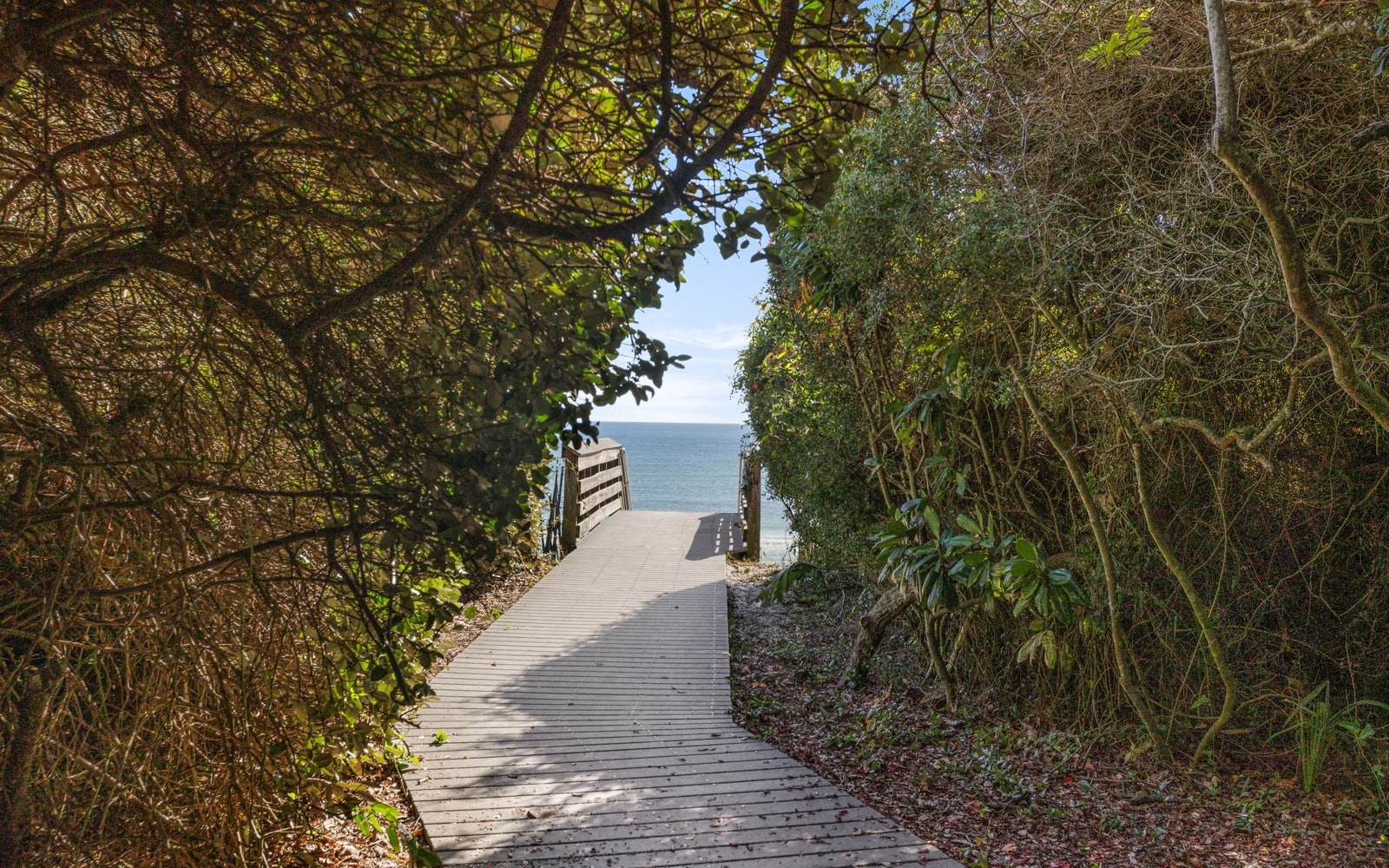
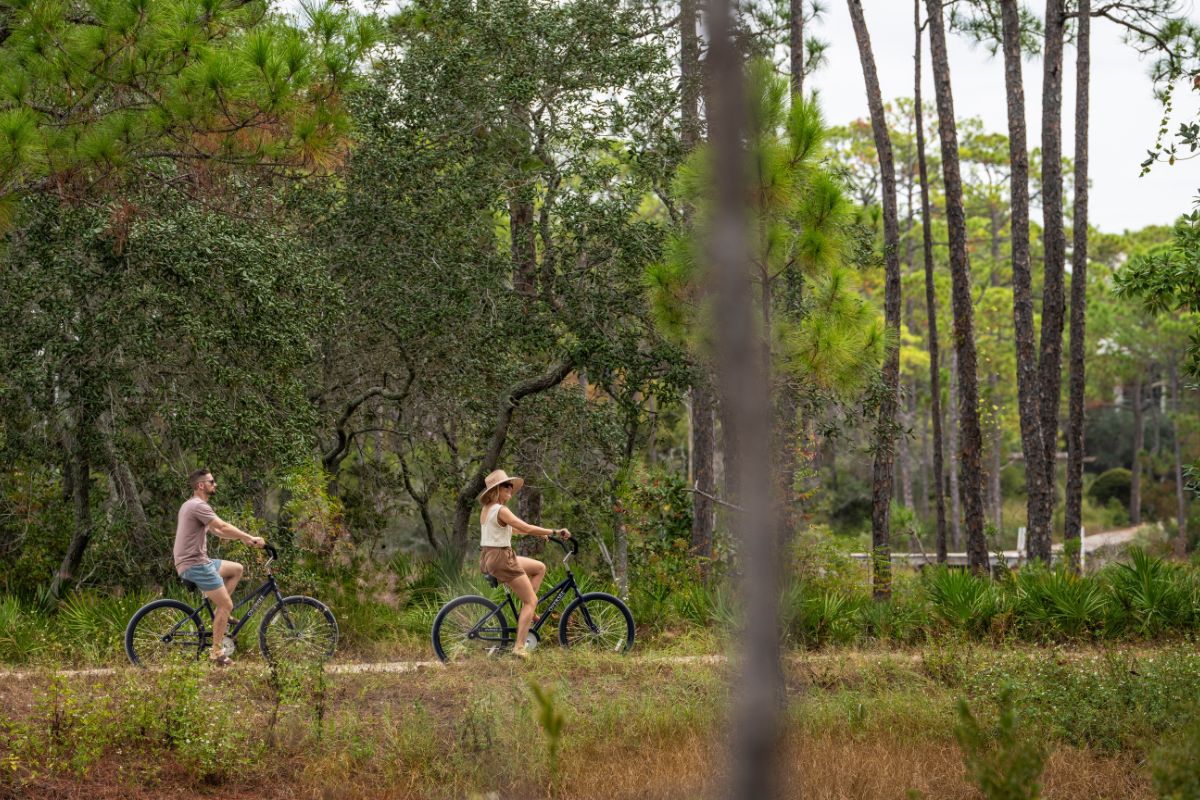
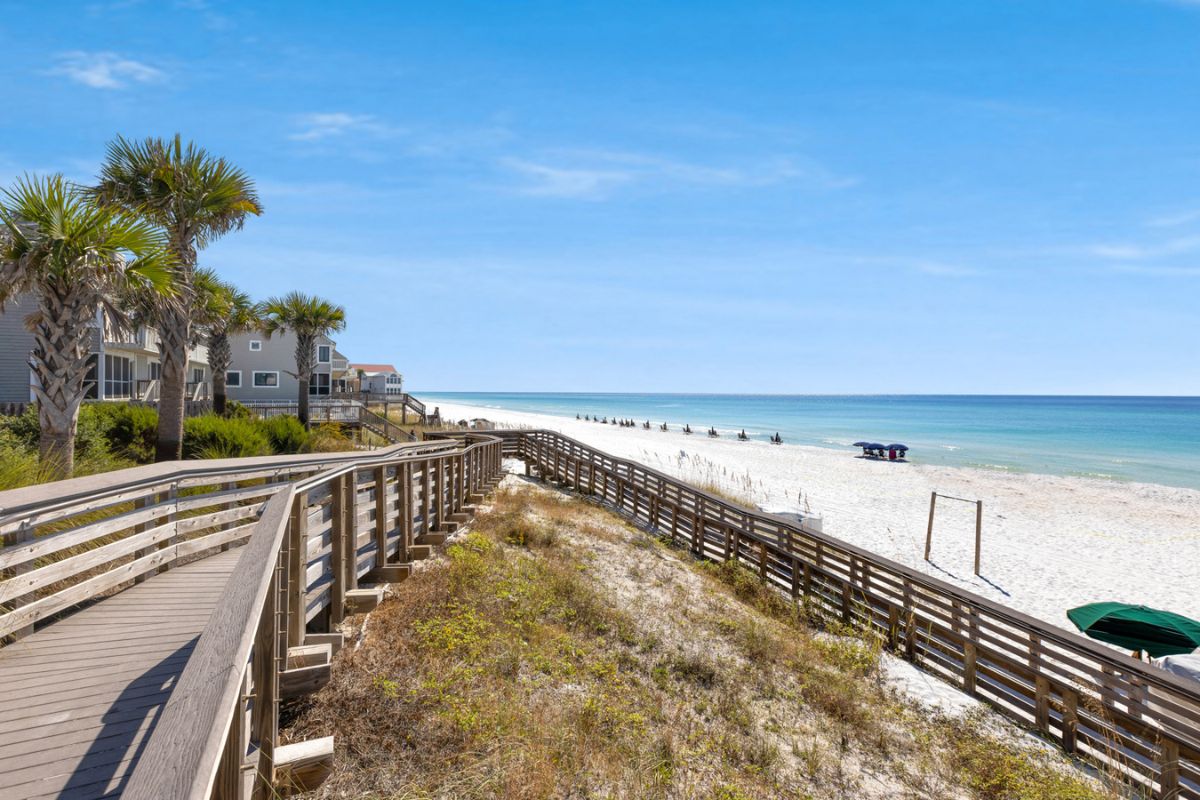
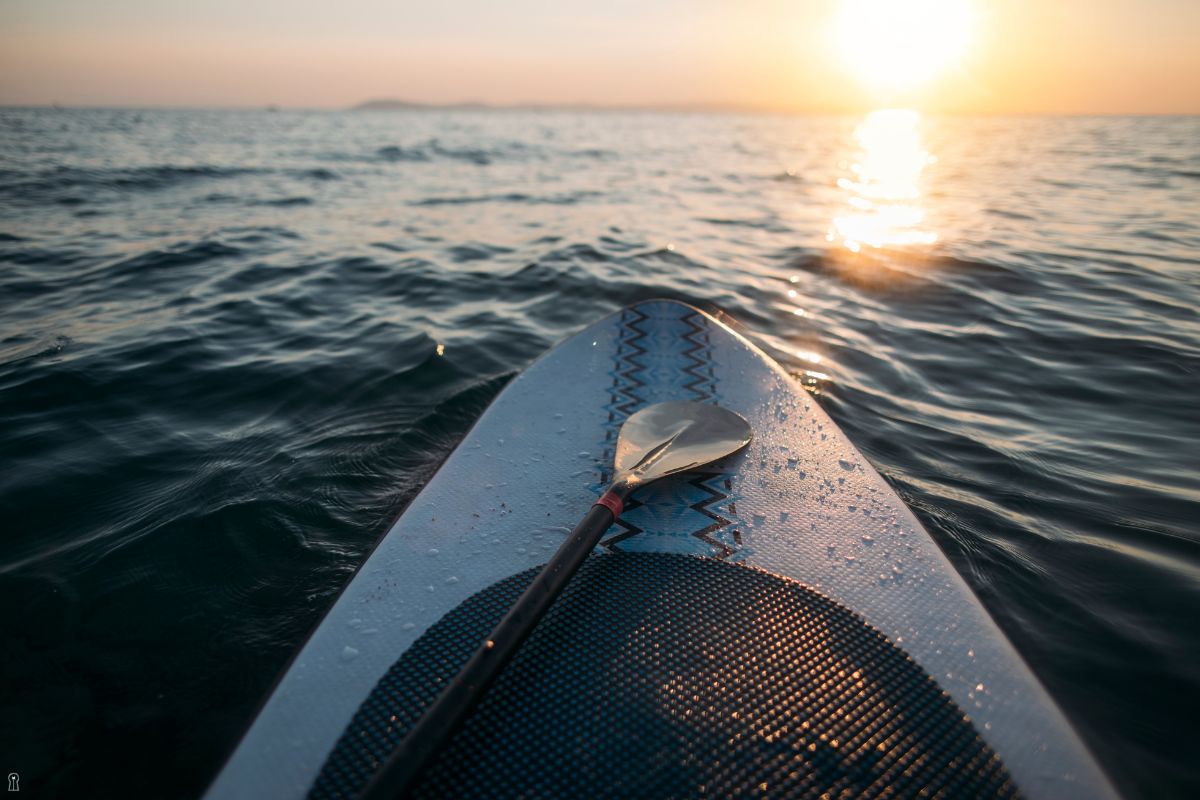
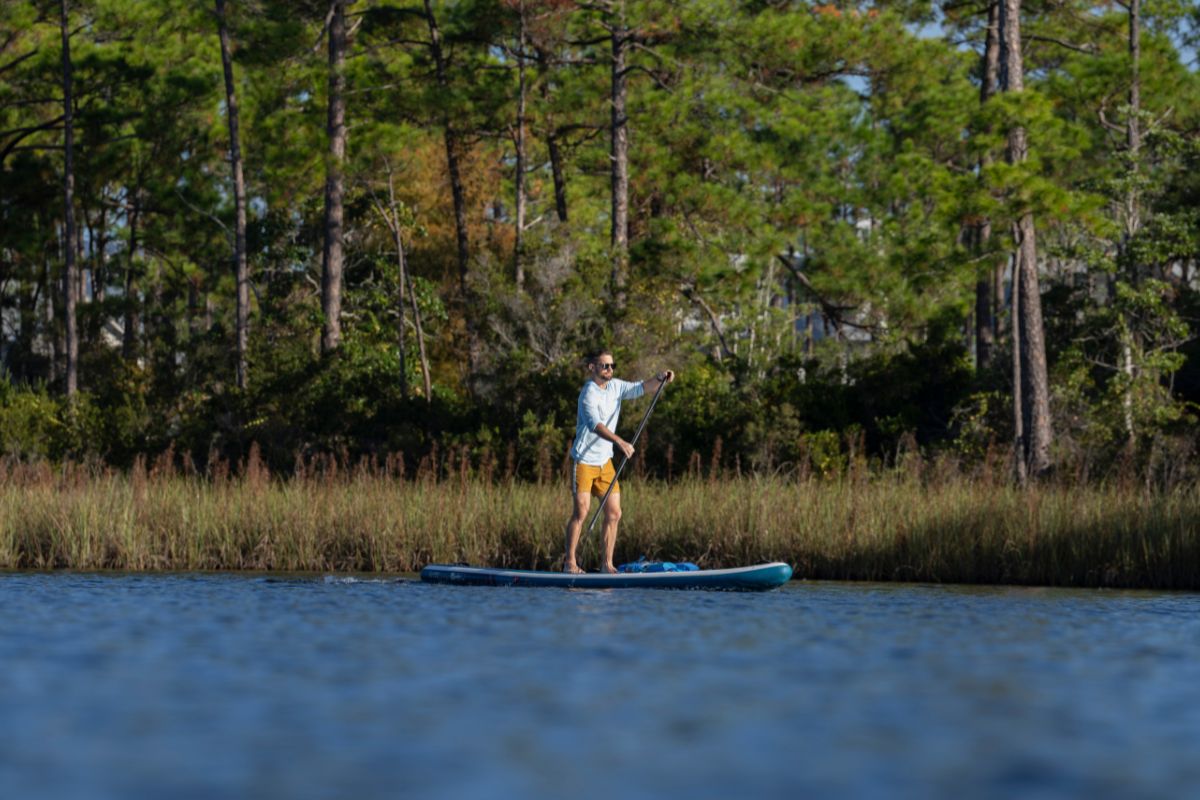
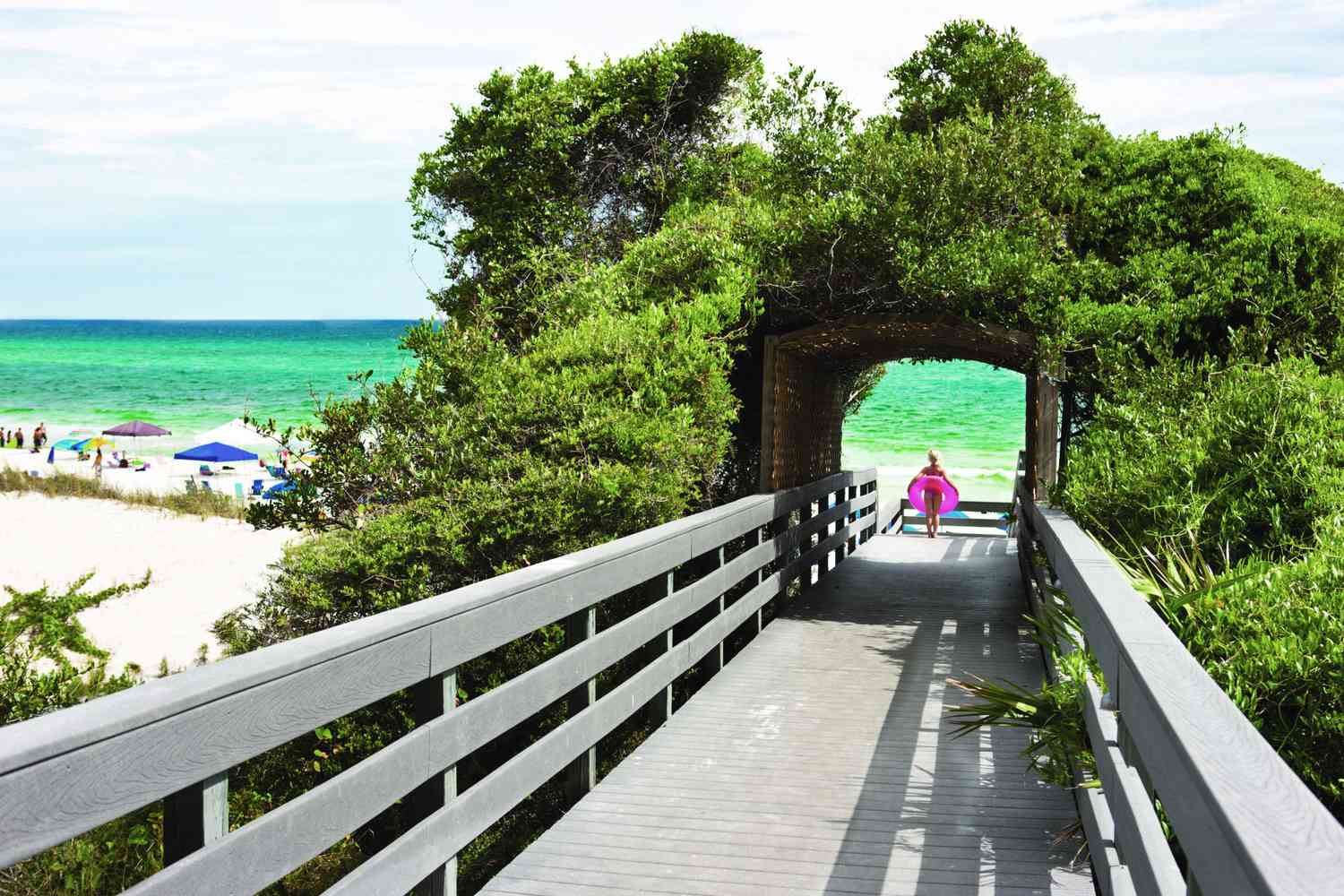
Best for: Ultra-scenic boardwalk strolls, hiking, paddleboarding, and photography that makes your friends ask if you used a filter.
Draper Lake – Blue Mountain Beach

- A quiet stunner framed by tall dunes.
Best for: hiking, nature watching, and peaceful paddles.
Deer Lake – Deer Lake State Park
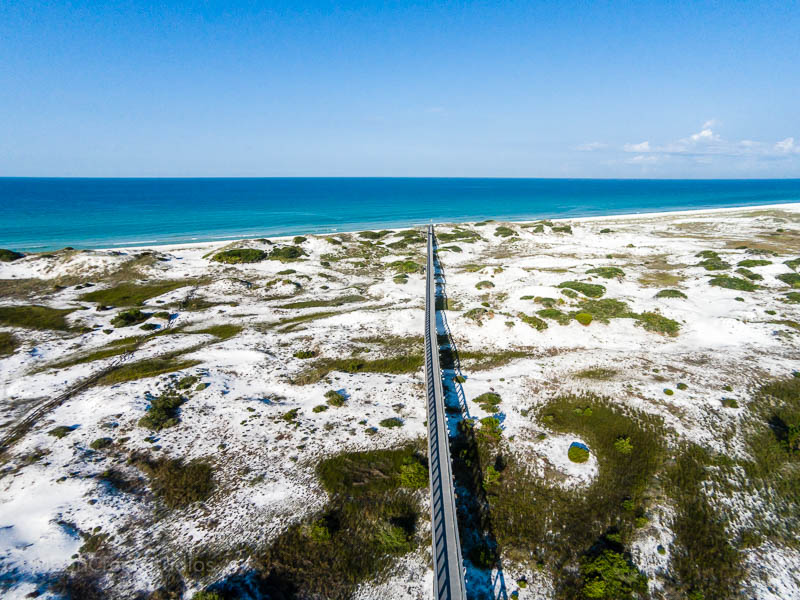
- A pristine lake with sweeping dune views.
Best for: strolls along the state park trails and wildlife spotting.
Eastern Lake – Near Seagrove
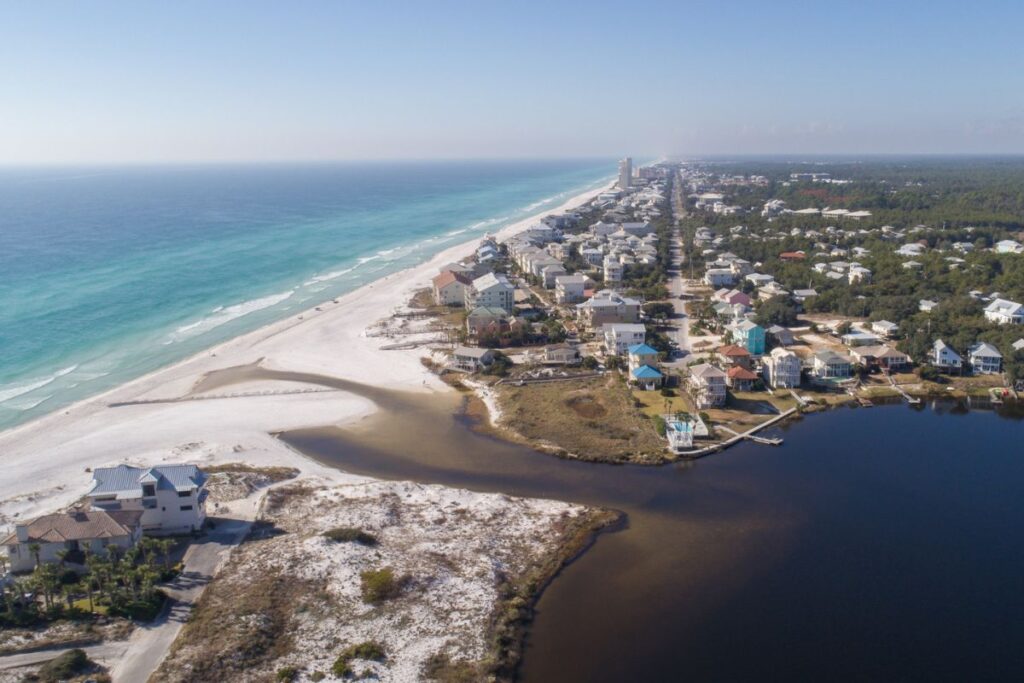
- A local favorite with easy access.
Best for: kayaking straight from the lake to the Gulf on a good outfall day.
Alligator Lake – Dune Allen Beach
- One of the westernmost lakes and full of charm.
Best for: birdwatching and casual afternoon wanderings.
HOW TO EXPLORE THEM RESPONSIBLY
A few simple habits keep these ecosystems flourishing:
- Stay on designated trails. The vegetation is fragile and incredibly important.
- Give wildlife plenty of space.
- Rent kayaks and paddleboards from trusted local outfitters and keep your distance from nesting birds.
- Pack out anything you bring in so the lakes stay as pristine as they look.
BONUS: BEST TIMES TO VISIT
Timing can make your visit even more magical:
- Morning: the light hits the water in a way that makes photographers very, very happy.
- Spring & Fall: perfect seasons for bird lovers.
- After a good rain: you may see an outfall open — a dramatic rush of freshwater meeting the Gulf.
A NATURAL TREASURE WORTH PROTECTING
30A’s coastal dune lakes aren’t just rare, they’re a defining part of this coastline’s character. Exploring them adds a whole new layer to your beach days, as long as it’s done with care and curiosity.
Ready to stay near one of these one-of-a-kind lakes?
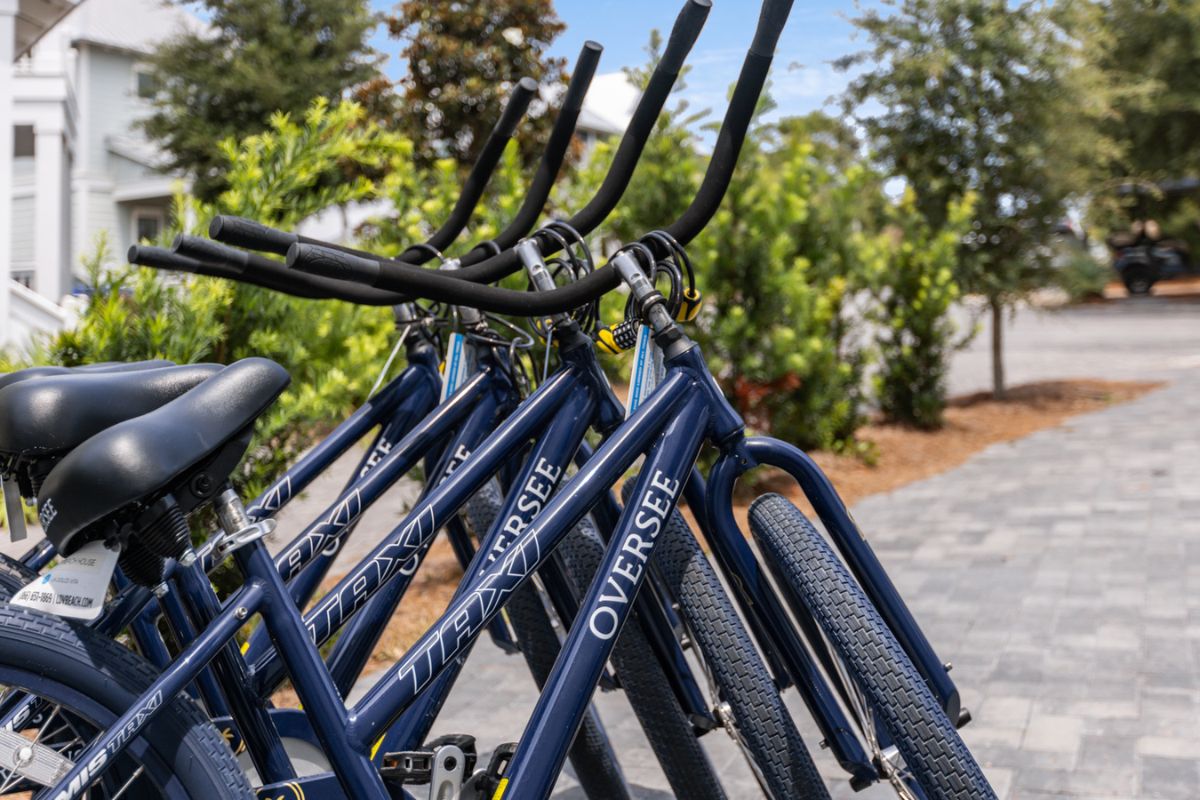
Browse our scenic vacation homes with Oversee and make your next trip a nature-lover’s dream.